
Infrastructure is designed to last.
The energy networks, transport systems, buildings, water infrastructure and digital networks being developed today could remain in operation for decades. Yet the conditions these assets will experience throughout their lifetime are becoming increasingly difficult to predict.
Extreme weather, changing patterns of energy demand, population growth, rapid technological development and disruption to global supply chains are all influencing the way infrastructure is planned and delivered.
As a result, resilience is becoming an increasingly important part of modern engineering.
The challenge is no longer simply to create infrastructure that works today. Engineers must design systems capable of adapting, recovering and continuing to perform as the world around them changes.
What Is Resilient Infrastructure?
Resilient infrastructure is designed to withstand disruption while continuing to provide essential services.
This could mean an electricity network capable of responding to changing patterns of generation and demand, a transport system designed to withstand extreme weather or an urban development that can adapt to population growth.
Resilience can involve physical design, technology, operational planning and maintenance.
Rather than focusing solely on preventing disruption, resilient infrastructure also considers how quickly systems can recover when disruption does occur.
Extreme Weather Is Changing Infrastructure Design
Weather has always influenced engineering decisions, but changing environmental conditions are increasing the importance of long-term resilience.
Flooding, extreme temperatures, storms and other severe weather events can place significant pressure on infrastructure.
Transport networks can be disrupted, electricity infrastructure can be damaged and buildings may experience conditions beyond those originally anticipated.
Engineers increasingly need to consider how assets will perform not only under normal operating conditions, but also during more challenging scenarios.
This can influence everything from material selection and drainage systems to structural design and the location of critical equipment.
Energy Infrastructure Needs Greater Flexibility
The energy transition is creating a more complex electricity system.
Traditional electricity networks were largely designed around predictable generation from centralised power stations.
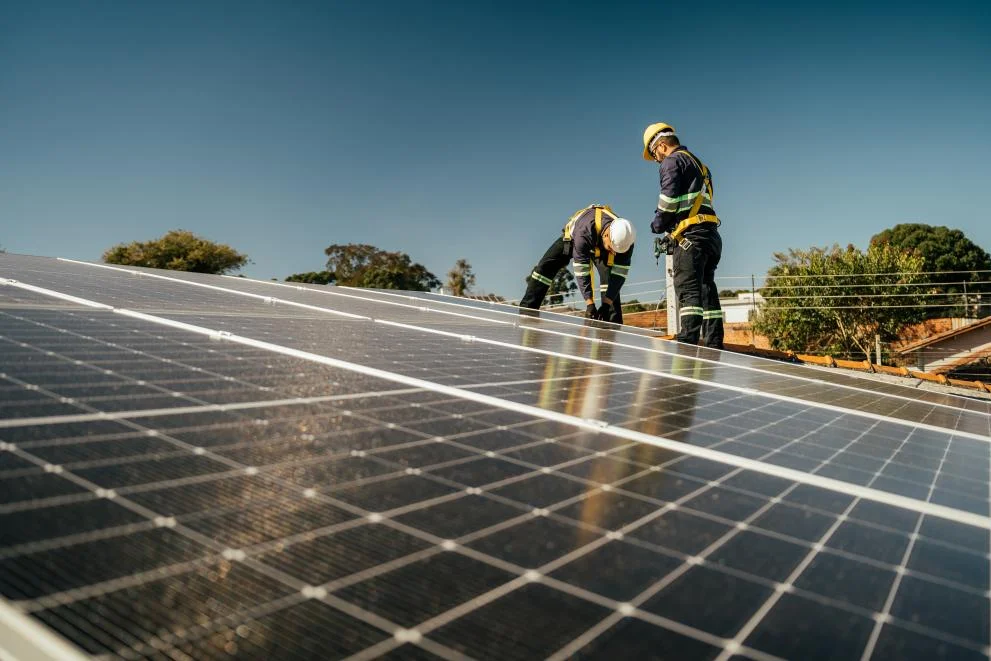
Today’s networks are increasingly required to accommodate electricity from offshore wind, onshore wind, solar farms, Battery Energy Storage Systems and other distributed technologies.
At the same time, electricity demand is changing as transport, heating, data centres and industrial processes become increasingly electrified.
Creating resilient energy infrastructure therefore requires greater flexibility.
Grid reinforcement, energy storage, interconnectors, digital monitoring and smart grid technology can all help electricity networks respond to changing patterns of supply and demand.
Renewable Energy Creates New Resilience Considerations
Renewable energy will form an increasingly important part of future infrastructure, but integrating large amounts of variable generation requires careful planning.
Wind and solar generation naturally change according to weather conditions.
Energy systems therefore need ways to balance periods of high and low generation.
Battery storage, flexible demand, interconnected electricity networks and diverse generation sources can all contribute to a more resilient system.
This demonstrates why renewable generation cannot be considered in isolation.
The supporting infrastructure surrounding these projects is equally important.
Transport Networks Must Be Ready for the Future
Transport infrastructure is another major area where resilience matters.
Roads, railways, bridges, ports and airports support both economic activity and everyday life. Disruption to these networks can have consequences far beyond the affected asset itself.
Engineers are therefore considering how future transport systems can remain operational during extreme weather and periods of changing demand.
Digital technology is also playing a growing role.
Sensors, real-time monitoring and predictive maintenance can help operators understand the condition of infrastructure and identify potential problems before they cause significant disruption.
Cities Are Becoming More Connected
Urban infrastructure is becoming increasingly interconnected.
Energy, transport, water, telecommunications and digital services all depend on one another.
This creates opportunities to build smarter and more efficient cities, but it can also create new vulnerabilities.
If one critical system experiences disruption, the effects can spread into other areas.
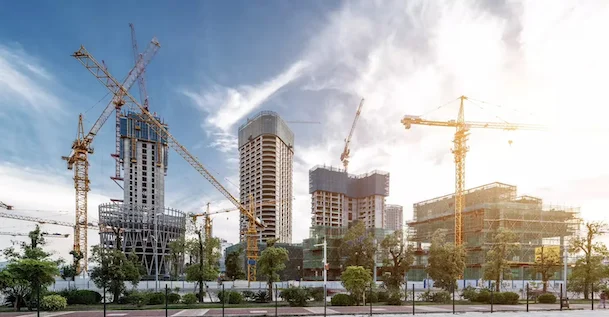
Resilient urban planning therefore requires a more integrated approach.
Engineers, planners, technology specialists and local authorities need to consider how different systems interact rather than designing individual assets in isolation.
Digital Technology Can Strengthen Resilience
One of the biggest developments in infrastructure resilience is the ability to understand asset performance in real time.
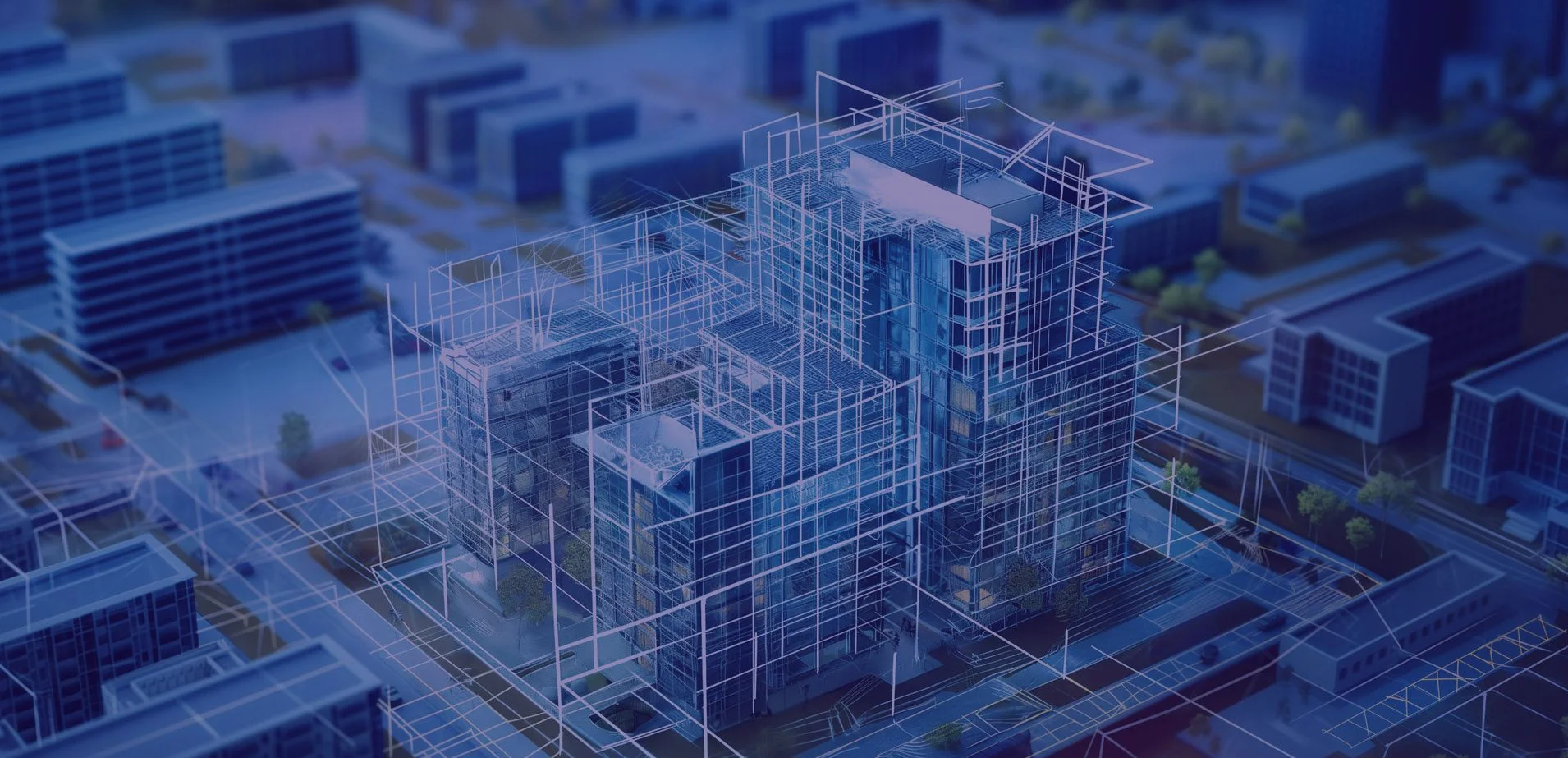
Sensors, digital twins, artificial intelligence and advanced data analytics can provide detailed information about how infrastructure is operating.
These technologies can help organisations:
- Monitor asset condition.
- Identify emerging problems.
- Predict maintenance requirements.
- Understand changing demand.
- Respond more quickly to disruption.
- Improve long-term asset performance.
Predictive maintenance is particularly valuable because it allows operators to address potential failures before they develop into larger problems.
This can reduce downtime while extending the operational life of critical assets.
Supply Chain Resilience Matters Too
Infrastructure projects depend on complex international supply chains.
Materials, specialist equipment and technical components may be sourced from multiple countries before reaching a project.
Recent disruption across global markets has highlighted the importance of understanding these dependencies.
For major engineering organisations, supply chain resilience can involve diversifying suppliers, identifying critical components earlier and improving visibility throughout procurement.
Workforce planning is another part of this challenge.
Projects need access to specialist engineering expertise, and shortages of experienced professionals can become just as significant as shortages of physical materials.
Existing Infrastructure Cannot Be Forgotten
Building new resilient infrastructure is important, but much of the infrastructure required in the future already exists today.
Electricity networks, railways, roads, water systems and other essential assets may have been designed decades ago.
Upgrading and modernising these systems will therefore be a major part of improving resilience.
This can include strengthening physical assets, introducing digital monitoring, increasing capacity or replacing ageing equipment.
In many cases, modernisation can extend the life of existing infrastructure while improving its ability to respond to future demands.
Engineers Are at the Heart of Infrastructure Resilience
Creating resilient infrastructure requires expertise across a wide range of disciplines.
Civil and structural engineers must consider how physical assets respond to changing environmental conditions.
Electrical and power engineers are developing more flexible energy networks.
Mechanical engineers are improving the reliability and efficiency of complex systems, while digital specialists are introducing technologies that allow infrastructure to be monitored and managed more intelligently.
Project managers, construction professionals, environmental specialists and project controls teams also play important roles in turning resilience strategies into successful projects.
The result is an increasingly multidisciplinary approach to infrastructure development.
Designing Infrastructure for an Uncertain Future
Infrastructure investment is ultimately about the long term.
Projects being developed today need to continue supporting economies, communities and industries well into the future.
That makes resilience more than an engineering consideration. It is a fundamental part of protecting the value of infrastructure investment.
Designing adaptable systems, modernising existing assets and using technology to understand infrastructure performance can help organisations prepare for challenges that may be difficult to predict today.
The strongest infrastructure will not necessarily be the infrastructure that never experiences disruption.
It will be the infrastructure designed to adapt, respond and recover when conditions change.
How Kintec Supports Global Infrastructure Projects
Kintec works with organisations delivering complex infrastructure, energy, renewable and engineering projects across international markets.
Our specialist recruitment teams connect businesses with experienced engineering, construction, project management and technical professionals across every stage of project delivery.
From civil, structural and electrical engineering to project controls, construction management and commissioning, we help organisations access the specialist expertise required to deliver resilient infrastructure.
Combined with our Global Mobility and Employer of Record services, Kintec can also support businesses in recruiting, employing and mobilising professionals across multiple countries.
As infrastructure becomes more connected, complex and critical to everyday life, having the right expertise in place will remain essential to building systems that are ready for whatever the future brings.