What Does a Commissioning Engineer Actually Do?
23 Sept, 2026


Ports have always played an important role in global trade, connecting industries, supply ch...

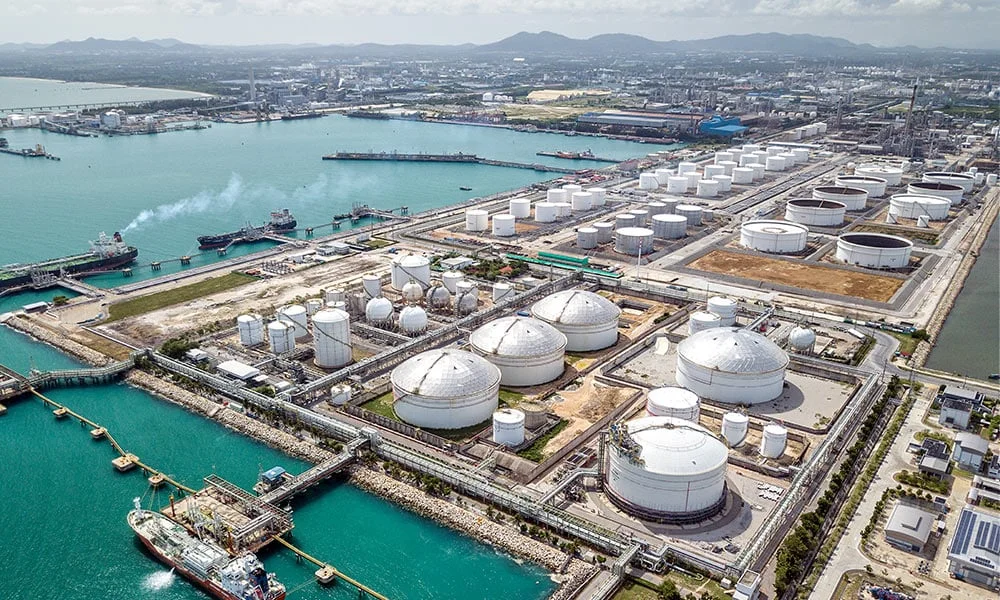
Ports have always played an important role in global trade, connecting industries, supply chains and international markets.
Now, many are taking on another role.
The growth of offshore wind, hydrogen and other renewable technologies is creating new requirements for coastal infrastructure. Ports can provide the space, transport connections and marine access needed to manufacture, assemble, store and transport increasingly large energy components.
As investment in renewable energy grows, ports are becoming an important part of the infrastructure supporting the energy transition.
Offshore wind projects require some of the largest components in the renewable energy industry.
Turbine blades, towers, foundations and offshore substations need to be transported, stored and assembled before installation at sea.
This requires significant space and specialist infrastructure.
Ports supporting offshore wind may need reinforced quays, heavy-lift capabilities, large storage areas and sufficient water depth for specialist vessels.
As turbines continue to evolve, port infrastructure will need to develop alongside them.
Floating offshore wind could place even greater importance on ports.
Unlike conventional fixed-bottom turbines, floating turbines are installed on buoyant structures secured to the seabed using mooring systems.
Some floating concepts allow substantial assembly work to take place in port before the complete structure is transported offshore.
This could create demand for facilities capable of supporting large-scale fabrication, integration and maintenance activities.
Regions with suitable port infrastructure could therefore be well positioned to become important hubs for the emerging floating wind industry.
Hydrogen development presents another opportunity.
Future hydrogen supply chains could involve production, storage, processing, transport and export infrastructure located around major ports and industrial clusters.
Ports already connect maritime transport, industry and international trade, making them potential locations for hydrogen and related energy infrastructure.
This could also support efforts to reduce emissions from shipping and other industries operating around port environments.
The energy transition is creating increasingly complex international supply chains.
Components for renewable energy projects may be manufactured across several countries before arriving at their final destination.
Ports provide a connection between manufacturing facilities, road and rail networks, vessels and project sites.
As renewable projects increase in scale, developers need reliable logistics networks capable of handling larger equipment and greater volumes of materials.
Investing in port capacity can therefore support the wider growth of renewable energy supply chains.
Ports are not only supporting the energy transition. Many are also exploring how to reduce the impact of their own operations.
Electrification, renewable electricity, energy storage and alternative fuels can all contribute to more efficient port environments.
Digital technology is also changing how facilities operate.
Sensors, automation and data analytics can improve logistics, monitor equipment and help operators manage increasingly complex movements of people, vessels and materials.
The result is a new generation of ports that combine traditional logistics with energy and digital infrastructure.
Transforming ports into energy hubs requires a wide range of specialist engineering skills.
Projects can require expertise across:
Large port developments also require close coordination between developers, energy companies, contractors, local authorities and technology providers.
Investment in port infrastructure can create opportunities beyond individual renewable energy projects.
Manufacturing facilities, engineering businesses, logistics providers and specialist contractors can develop around major energy hubs.
This can support regional supply chains while creating long-term employment and investment.
Ports could therefore play an important role in connecting the global energy transition with local economic development.
The role of ports is evolving.
Facilities once designed primarily around traditional cargo and shipping are increasingly becoming strategic locations for renewable energy, advanced manufacturing and major infrastructure.
Offshore wind, floating wind and hydrogen could accelerate this transformation further.
For the engineering sector, the challenge will be ensuring port infrastructure develops quickly enough to support the scale and complexity of the projects planned around it.
Kintec works with organisations delivering renewable energy, infrastructure and complex engineering projects across international markets.
Our specialist recruitment teams connect businesses with experienced engineering, construction, project management and technical professionals throughout the project lifecycle.
Combined with our Global Mobility and Employer of Record services, Kintec helps organisations recruit and mobilise the specialist talent required to deliver major international projects.
As ports become increasingly important to the energy transition, access to the right engineering expertise will be essential to transforming these strategic locations into the energy hubs of the future.