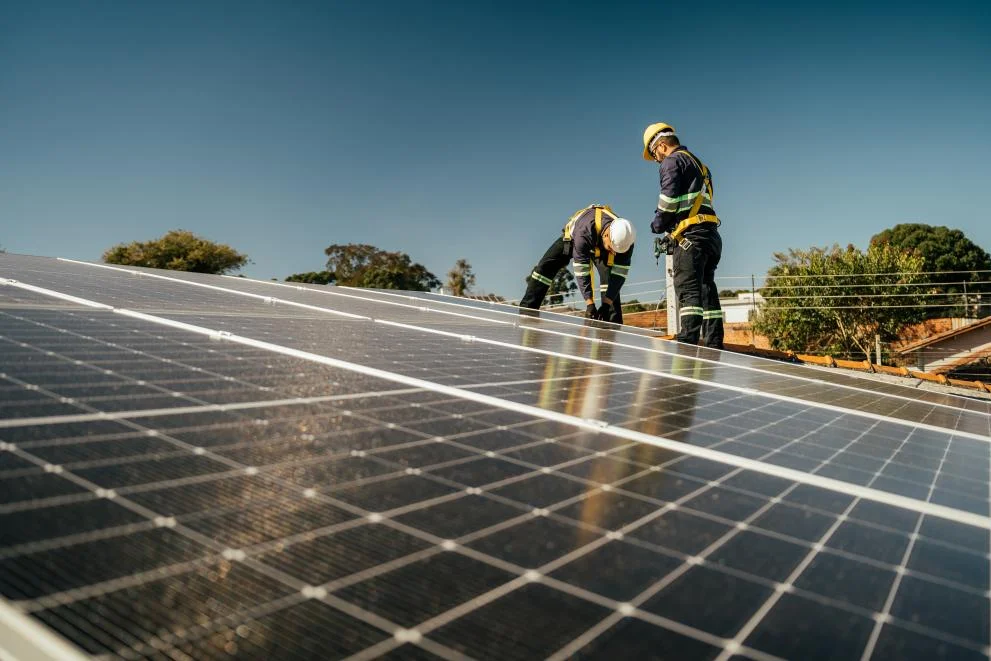

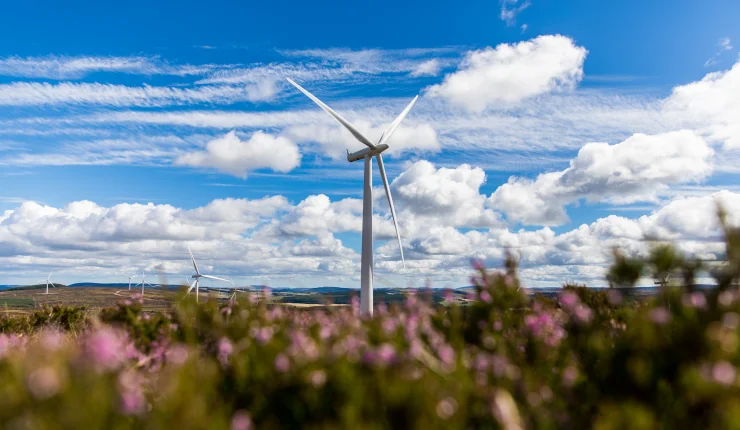
Renewable energy capacity is growing rapidly around the world. New wind farms, solar developments and Battery Energy Storage Systems are being planned as countries work to increase clean electricity generation and strengthen long-term energy security.
However, building renewable generation is only one part of the challenge.
Every new project needs a way to connect to the wider electricity network. As the number and scale of renewable developments increase, grid capacity is becoming one of the most important considerations for developers, investors and governments.
Without sufficient transmission infrastructure, even projects that are ready to generate electricity can face delays.
Why Is Grid Connection So Important?
Electricity generated by a renewable energy project must be transported from the point of generation to the homes, businesses and industries that need it.
This requires connection to the wider electricity network through infrastructure such as substations, transformers, cables and transmission lines.
Historically, electricity networks were largely designed around a smaller number of centralised power stations. Renewable energy has changed this model considerably.
Wind and solar projects can be distributed across much wider geographical areas, often in locations where existing electricity networks were not originally designed to accommodate large amounts of generation.
As renewable capacity grows, these networks need to grow with it.
Renewable Development Is Moving Quickly
The speed of renewable energy development is creating new challenges for electricity networks.
Developers are progressing projects across:
- Offshore wind.
- Onshore wind.
- Solar energy.
- Battery Energy Storage Systems.
- Hydrogen.
- Other emerging clean energy technologies.
Many of these developments require significant new grid capacity.
Where transmission infrastructure cannot expand at the same pace as renewable generation, connection delays and capacity constraints can emerge.
This makes grid planning an increasingly important part of the wider energy transition.
Transmission Infrastructure Needs Investment
Expanding renewable energy requires substantial investment beyond generation itself.
New transmission lines, substations and high-voltage infrastructure are needed to transport electricity efficiently across increasingly complex networks.
In some regions, existing assets also need to be upgraded or replaced to accommodate higher electricity flows.
Investment is therefore increasingly focused on both renewable generation and the infrastructure surrounding it.
This creates opportunities across power engineering, civil infrastructure, construction and project management.
Battery Storage Can Provide Greater Flexibility
Battery Energy Storage Systems are becoming an important part of the solution.
Instead of immediately sending all electricity generated by a renewable project into the network, batteries can store energy and release it at another time.
This provides greater flexibility and can help electricity networks manage periods of high renewable generation or changing demand.
As battery deployment increases, expertise across storage, power systems and grid integration will become increasingly valuable.
Digital Technology Is Creating Smarter Networks
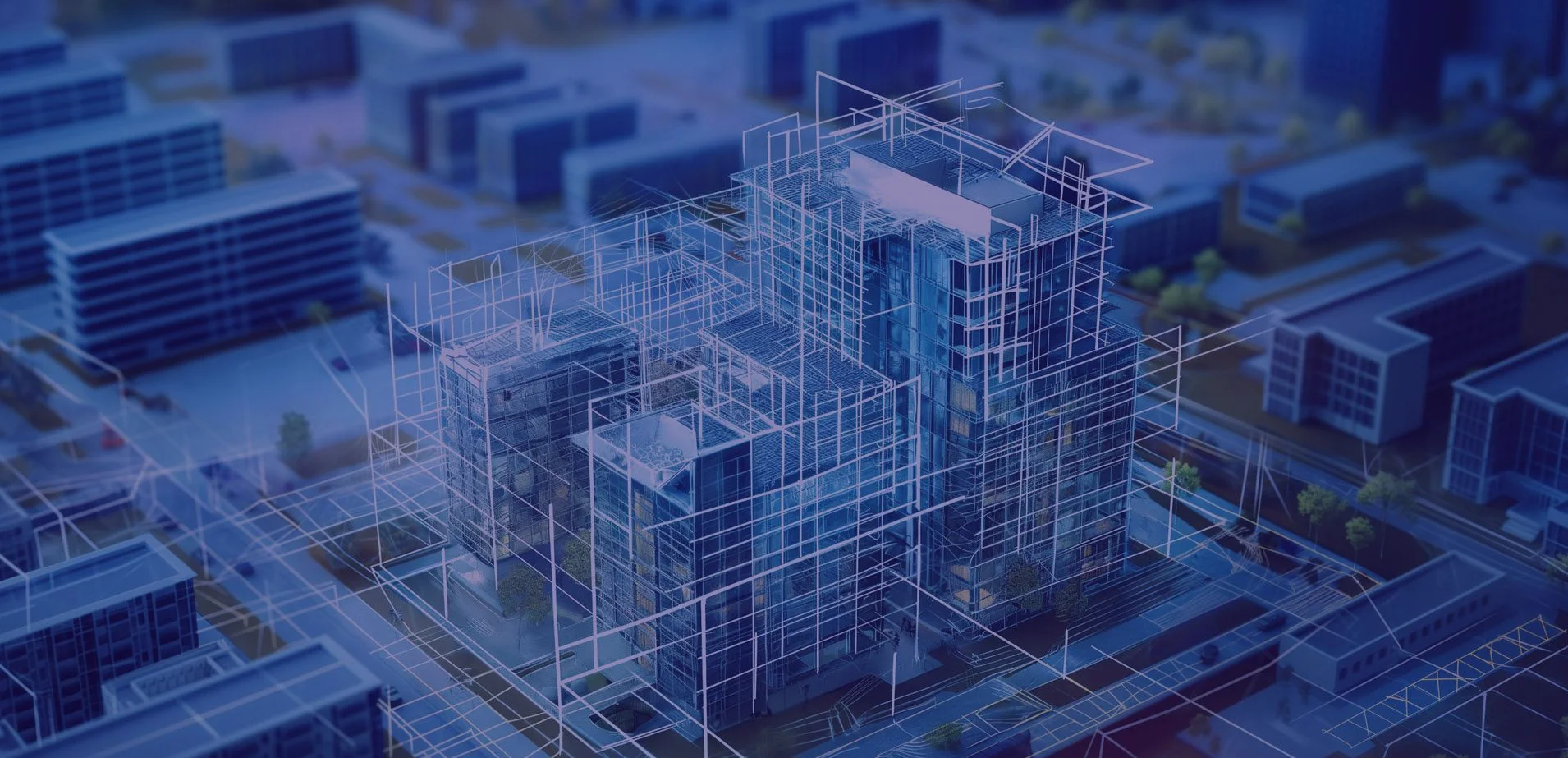
The electricity grid of the future will not simply be larger. It will also be smarter.
Digital monitoring, automation, artificial intelligence and advanced control systems are helping network operators understand electricity flows in greater detail.
Smart grid technologies can support:
- Real-time network monitoring.
- Demand forecasting.
- Renewable energy integration.
- Automated network management.
- Predictive maintenance.
- Improved asset performance.
Combining physical infrastructure investment with digital technology will be critical to creating more flexible and resilient electricity systems.
Grid Engineering Skills Are in Demand
The scale of investment required is creating significant demand for engineering and technical professionals.
Projects require expertise across disciplines including:
- Power Systems Engineering.
- Electrical Engineering.
- Grid Connection Engineering.
- Protection and Control Engineering.
- Substation Engineering.
- Civil Engineering.
- Cable Engineering.
- Commissioning.
- Project Management.
- Project Controls.
Competition for professionals with specialist transmission and grid experience is likely to remain strong as more projects enter development and construction.
Workforce Planning Must Begin Early
Grid connection challenges are not limited to physical infrastructure.
Organisations must also ensure they have access to the people capable of designing, constructing and commissioning increasingly complex electricity networks.
Waiting until a project reaches construction before considering workforce requirements can create additional pressure on delivery schedules.
Early workforce planning allows businesses to identify potential skills gaps, build specialist talent pipelines and access international expertise where required.
For projects operating across multiple markets, international recruitment can significantly broaden the available talent pool.
Building the Grid for the Energy Transition
The success of the energy transition will depend on much more than the number of wind turbines or solar panels installed.
The electricity networks connecting those technologies will be equally important.
Investment in transmission, substations, energy storage and smart grid technology will help ensure renewable electricity can reach consumers reliably while supporting growing electricity demand.
For the engineering industry, this represents a major area of opportunity.
As energy systems become increasingly connected and complex, the professionals capable of designing and delivering modern power infrastructure will play a central role in shaping the future of energy.
How Kintec Supports Power and Renewable Energy Projects
Kintec partners with organisations delivering renewable energy, power transmission and infrastructure projects across international markets.
Our specialist recruitment teams connect businesses with experienced engineering, construction and technical professionals across every stage of the project lifecycle.
From electrical and grid connection engineers to project managers, commissioning specialists and project controls professionals, we help organisations access the expertise required to deliver complex energy projects.
Combined with our Global Mobility and Employer of Record services, Kintec helps businesses build compliant, high-performing international workforces capable of supporting the next generation of energy infrastructure.