What Does a Commissioning Engineer Actually Do?
23 Sept, 2026

Renewable energy infrastructure is designed to operate for many years, but wind turbines, so...

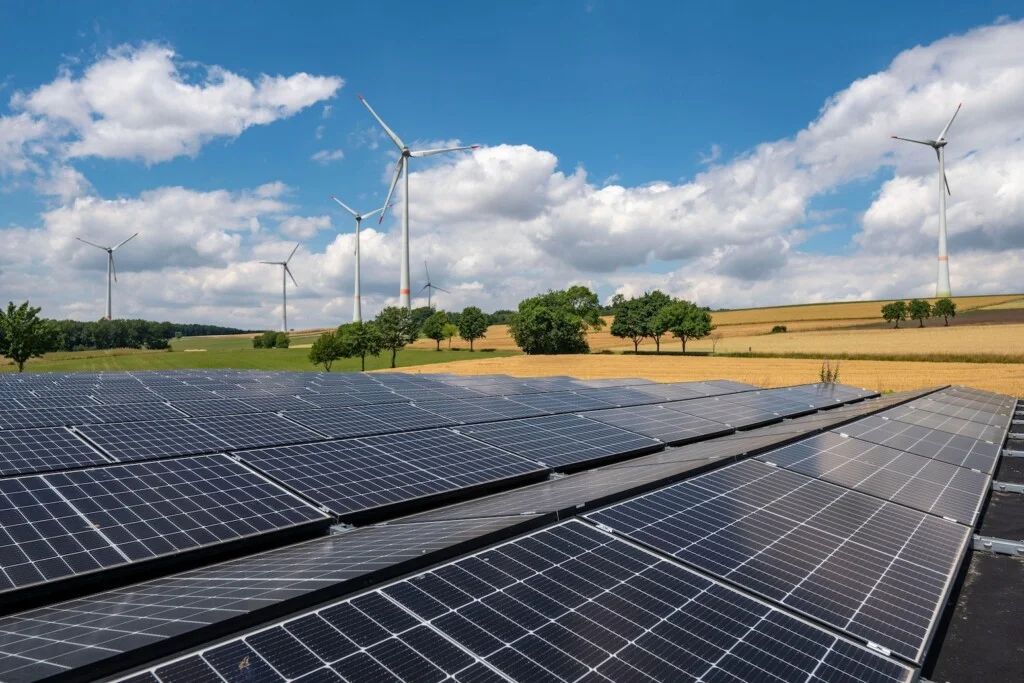
Renewable energy infrastructure is designed to operate for many years, but wind turbines, solar panels and battery systems do not last forever.
As the renewable energy sector matures, increasing numbers of early-generation assets will eventually reach the end of their original operational life.
This creates an important question: what happens next?
From extending asset life and repowering existing sites to recycling materials and safely decommissioning infrastructure, end-of-life planning is becoming an increasingly important part of the renewable energy industry.
Reaching the end of an asset’s original design life does not necessarily mean the end of renewable generation at that location.
One option is repowering.
For wind farms, this can involve replacing older turbines with newer, more efficient technology. Modern turbines can offer improved performance, allowing developers to increase or maintain generation while using an established site.
Existing grid connections, access infrastructure and operational knowledge can also make established locations attractive for future investment.
Repowering therefore offers an opportunity to extend the value of existing renewable energy sites.
Where repowering or life extension is not suitable, assets may need to be decommissioned.
This can involve removing turbines, foundations, electrical infrastructure, solar equipment or battery systems and restoring the surrounding site where required.
Offshore projects can be particularly complex.
Removing large structures from marine environments requires detailed engineering, specialist vessels, lifting operations and careful environmental planning.
Decommissioning should therefore be considered throughout the project lifecycle rather than only when an asset approaches retirement.
Renewable energy technologies contain significant quantities of materials that can potentially be recovered and reused.
Wind turbines contain materials such as steel and copper, while solar panels can include glass, aluminium and other valuable components.
Battery systems contain materials that could become increasingly important as global battery deployment expands.
Recovering these resources can reduce waste while returning valuable materials to manufacturing supply chains.
The challenge is developing recycling systems capable of processing growing volumes of renewable energy equipment efficiently and responsibly.
Not every component is straightforward to recover.
Wind turbine blades, for example, are typically manufactured using composite materials designed to be lightweight, durable and capable of withstanding demanding conditions.
Those same characteristics can make them difficult to recycle using conventional processes.
The industry is exploring new materials, recycling technologies and blade designs that could make future generations easier to process at the end of their life.
Designing assets with their eventual decommissioning in mind could become an increasingly important part of renewable engineering.
As Battery Energy Storage Systems and electric vehicles become more widespread, battery recycling is developing into a significant industry of its own.
Rather than treating used batteries purely as waste, recycling facilities can recover valuable materials for potential reuse.
This creates opportunities across process engineering, advanced manufacturing, environmental management, construction and logistics.
Battery recycling could ultimately become an important part of creating a more circular energy supply chain.
The wider goal is to move away from a traditional model where materials are extracted, used and eventually discarded.
A circular approach considers how equipment can be maintained for longer, reused, repowered or recycled.
For renewable energy developers, this means considering the full lifecycle of an asset from the earliest design stages.
Decisions made during engineering and procurement today can influence how easily materials can be recovered decades later.
The growth of renewable energy decommissioning, repowering and recycling will create new requirements for specialist expertise.
Relevant disciplines can include:
Professionals with experience across existing energy, industrial and infrastructure sectors may also bring valuable transferable skills into this growing area.
Building renewable energy capacity is only one part of the transition.
As the sector matures, managing existing assets responsibly will become increasingly important.
Repowering can extend renewable generation, recycling can recover valuable resources and effective decommissioning can reduce the long-term environmental impact of projects.
For the engineering industry, this creates another significant opportunity.
The next generation of renewable energy will not only be about building new infrastructure. It will also be about finding smarter ways to manage what has already been built.
Kintec works with organisations across renewable energy, power and infrastructure projects around the world.
Our specialist recruitment teams connect businesses with experienced engineering, construction, project management and technical professionals throughout the complete project lifecycle.
From development and construction to operations, repowering and decommissioning, we help organisations access the specialist expertise required to deliver complex energy projects.
Combined with our Global Mobility and Employer of Record services, Kintec can support businesses in building and mobilising skilled workforces across international markets.