
Renewable energy is growing rapidly, but the workforce needed to deliver that growth isn’t expanding at the same pace.
Global renewable energy employment has reached 16.6 million jobs, the highest level recorded to date. Yet employers across the energy sector are increasingly reporting difficulties finding the specialist skills they need.
The challenge isn’t simply creating more jobs. It’s ensuring there are enough qualified people with the right experience to fill them.
So, where is renewable energy talent needed most?
Engineering
Engineers remain at the heart of renewable energy development.
From designing new projects to connecting them to the grid, organisations need professionals across electrical, mechanical, civil and structural engineering.
In the UK alone, almost a quarter of clean energy job adverts fall within engineering professions, highlighting just how central these skills are to the sector.
But demand isn’t limited to renewables. The same engineering professionals are being sought across power, infrastructure, construction and data centres, creating significant competition for experienced talent.
For employers, accessing engineers with both strong technical expertise and relevant project experience is becoming increasingly important.
Electrical and Grid Skills
Building renewable generation is only useful if that power can reach the people and businesses that need it.
As more wind, solar and storage projects connect to electricity networks, investment in transmission and distribution infrastructure is increasing the need for electrical expertise.
Electrical engineers, electricians, power-line workers and other technical specialists are already among the occupations experiencing significant shortages.
The International Energy Agency found that more than half of organisations participating in its energy employment survey reported critical hiring bottlenecks, with applied technical roles among those under the greatest pressure.
Grid expansion therefore presents both an infrastructure and a workforce challenge.
Wind Energy
Wind projects require specialist teams throughout development, construction and operation.
This includes professionals working across areas such as:
- Electrical and mechanical engineering
- Offshore and subsea engineering
- Turbine installation
- Construction and project management
- Commissioning
- Operations and maintenance
- Health and safety
Offshore wind can create an additional recruitment challenge because projects often require a combination of technical expertise, offshore experience and relevant certifications.
As projects become larger and more technically complex, professionals with proven experience delivering major wind developments will remain valuable.
Solar
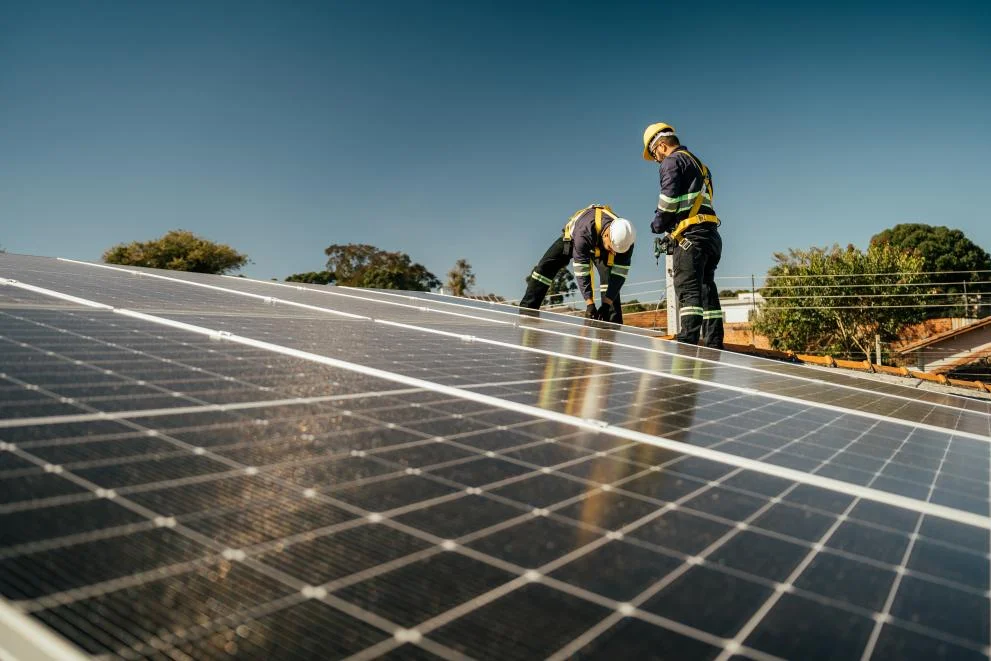
Solar is one of the world’s largest renewable energy employers, and continued deployment is creating opportunities throughout the project lifecycle.
Demand stretches far beyond solar panel installation.
Large-scale developments require professionals working across engineering, design, development, procurement, construction, project management, electrical infrastructure and operations.
The rapid growth of the industry has also increased demand for skilled trades. IEA analysis found that job postings for skilled trades across sectors including solar, wind, batteries, heat pumps and energy efficiency grew at an average annual rate of around 40% between 2018 and 2023.
Solar recorded the fastest increase, with skilled-trade job postings growing at an average annual rate of around 65%.
Energy Storage
Battery energy storage is becoming an increasingly important part of modern electricity systems.
As renewable generation grows, storage can help manage periods when electricity generation and demand don’t align, while also supporting grid stability.
This creates demand for professionals with expertise across battery systems, electrical engineering, high-voltage infrastructure, commissioning, project delivery and operations.
However, many of these skills are also required elsewhere within the energy and infrastructure markets.
Employers developing battery projects may therefore find themselves competing not only with other storage developers, but with organisations across power, renewables and data centres.
Construction and Commissioning
The renewable energy workforce isn’t limited to engineers.
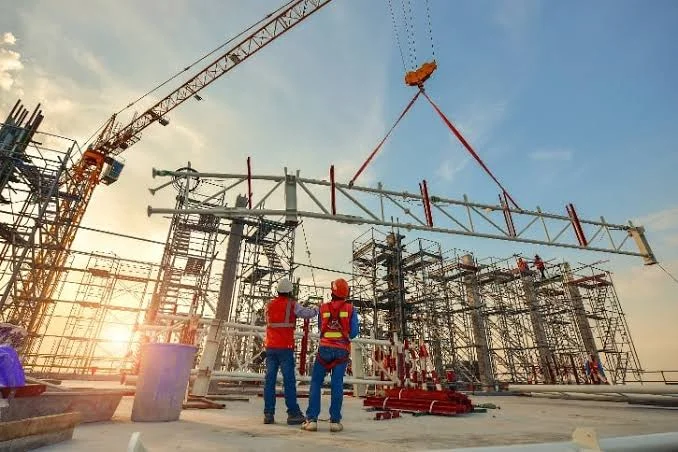
Projects also require experienced construction professionals capable of turning designs into operational assets.
Skilled trades represent around a quarter of global energy employment and are among the areas experiencing the most significant shortages.
Electricians, welders, pipefitters and other technical workers are needed across renewable energy while simultaneously being in demand throughout construction and infrastructure.
Commissioning expertise is equally important. As projects move towards completion, organisations need experienced professionals who can test systems, identify issues and ensure assets are ready for operation.
When several major projects reach construction or commissioning simultaneously, competition for these professionals can become particularly intense.
Project and Programme Management
Large energy projects require people who can coordinate complex teams, budgets, contractors and timelines.
Experienced project managers therefore remain an essential part of the renewable energy workforce.
Alongside technical knowledge, employers increasingly need professionals capable of managing supply chains, stakeholder relationships, commercial pressures and changing project requirements.
These skills are highly transferable, meaning renewable energy employers often compete with other major infrastructure sectors for the same people.
Why Is There a Skills Shortage?
The challenge is being driven by several factors.
Renewable energy capacity is expanding quickly, while many of the technical occupations required to deliver projects already face shortages across the wider economy.
The existing energy workforce is also ageing. The IEA estimates that two out of every three new energy-sector hires needed through to 2035 will be required simply to replace workers leaving the workforce.
At the same time, education and training aren’t yet producing enough qualified workers to keep pace.
Between 2015 and 2022, economy-wide demand for applied technical workers increased by 16%, while graduates from relevant vocational programmes increased by only 9%.
Without action, this gap could become an increasingly significant constraint on energy development.
Building the Renewable Energy Workforce
There is no single solution to the renewable energy skills shortage.
Employers will need to consider a combination of recruitment, training, retention and workforce planning.
That includes attracting new people into energy careers, developing existing employees, recruiting professionals with transferable skills from neighbouring industries and accessing international talent where specialist expertise isn’t available locally.
Most importantly, workforce planning needs to happen early.
Understanding the skills a project will require throughout development, construction, commissioning and operation gives organisations more time to build talent pipelines before vacancies become urgent.
Connecting Renewable Energy Talent With Opportunity
Renewable energy has enormous potential for continued growth, but projects ultimately depend on having the right people in place to deliver them.
As competition for specialist engineering and technical skills increases, organisations need access to talent networks that extend beyond individual projects, sectors and locations.
At Kintec, we connect specialist professionals with organisations delivering renewable energy, power and infrastructure projects around the world.
Whether you’re building your renewable energy workforce or looking for your next opportunity, speak to Kintec to discover how we can support you.