What Does a Commissioning Engineer Actually Do?
23 Sept, 2026


Onshore wind remains one of the most established and cost-effective sources of renewable ene...

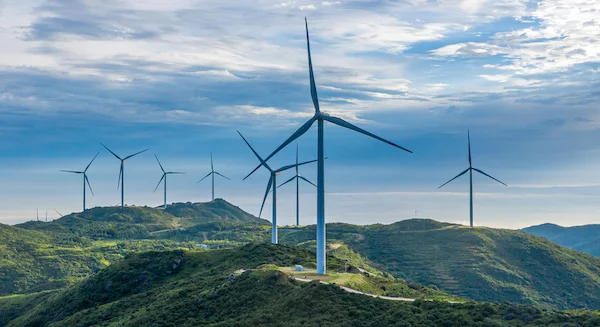
Onshore wind remains one of the most established and cost-effective sources of renewable energy. As countries continue to diversify their energy mix and reduce carbon emissions, investment in onshore wind projects is helping to deliver cleaner electricity while strengthening long-term energy security.
Although offshore wind often attracts significant attention due to the scale of its developments, onshore wind continues to play an equally important role in the global energy transition. New projects, repowering existing wind farms and improvements in turbine technology are creating opportunities across engineering, construction and infrastructure.
As the industry continues to evolve, demand for skilled professionals remains strong.
Many countries are increasing investment in onshore wind as part of wider renewable energy strategies.
Compared with many other forms of electricity generation, onshore wind can often be developed more quickly and at a lower cost, making it an attractive option for governments, developers and investors.
Growth is being supported by several factors, including:
Together, these factors continue to strengthen the long-term outlook for the sector.
Many of the world’s earliest onshore wind farms are reaching a stage where turbines are being upgraded or replaced.
Repowering projects allow developers to generate more electricity using modern turbine technology while making use of existing infrastructure and grid connections.
These projects often involve significant engineering expertise across planning, civil works, electrical systems, installation and commissioning.
As more wind farms reach this stage, repowering is expected to become an increasingly important part of the industry’s future.
Delivering an onshore wind project involves much more than installing turbines.
Successful developments require supporting infrastructure such as:
Each element requires careful planning and collaboration between multiple engineering disciplines to ensure projects are delivered safely and efficiently.
As investment continues, infrastructure development will remain a key part of expanding renewable energy capacity.
Onshore wind projects rely on a broad range of engineering and technical professionals throughout the project lifecycle.
Some of the most in-demand roles include:
Many employers are also recruiting professionals from adjacent industries, recognising that experience gained within power generation, utilities, infrastructure and oil and gas can often be transferred successfully into renewable energy.
While the long-term outlook for onshore wind is positive, the industry also faces several challenges.
Planning processes, grid capacity, supply chain pressures and skills shortages all have the potential to influence project delivery.
As more renewable energy projects move into development simultaneously, competition for experienced engineering professionals is expected to remain high.
Organisations that invest in workforce planning and access specialist recruitment support will be better positioned to deliver projects successfully.
Advances in turbine design, digital monitoring and predictive maintenance are improving the efficiency and reliability of modern wind farms.
Operators can now monitor asset performance in real time, allowing maintenance activities to be planned more effectively while reducing downtime.
Artificial intelligence and data analytics are also helping developers optimise energy production and improve operational efficiency across entire wind farms.
These innovations are creating demand for engineers with expertise in digital technologies alongside traditional engineering disciplines.
Onshore wind projects are being developed across Europe, North America, Asia-Pacific, the Middle East and many emerging markets.
This international growth is creating opportunities for businesses to share expertise across multiple regions while providing engineering professionals with opportunities to work on projects around the world.
International recruitment and Global Mobility solutions are becoming increasingly important as organisations seek to access specialist talent wherever it is available.
Onshore wind will continue to play a vital role in the global transition to cleaner energy.
Continued investment, technological innovation and the repowering of existing wind farms will help increase renewable electricity generation while supporting long-term energy security.
For engineering professionals, the sector offers diverse career opportunities across development, construction, operations and maintenance.
For organisations, success will depend on attracting the skilled workforce needed to deliver projects safely, efficiently and on schedule.
Kintec partners with organisations delivering onshore wind projects across international markets, providing specialist recruitment solutions for engineering, construction and technical professionals.
Our global reach, sector expertise and workforce solutions help businesses secure the talent needed to deliver renewable energy projects at every stage of the project lifecycle.
Whether you are expanding your engineering team or exploring new career opportunities within the onshore wind industry, Kintec has the expertise to help you move forward with confidence.