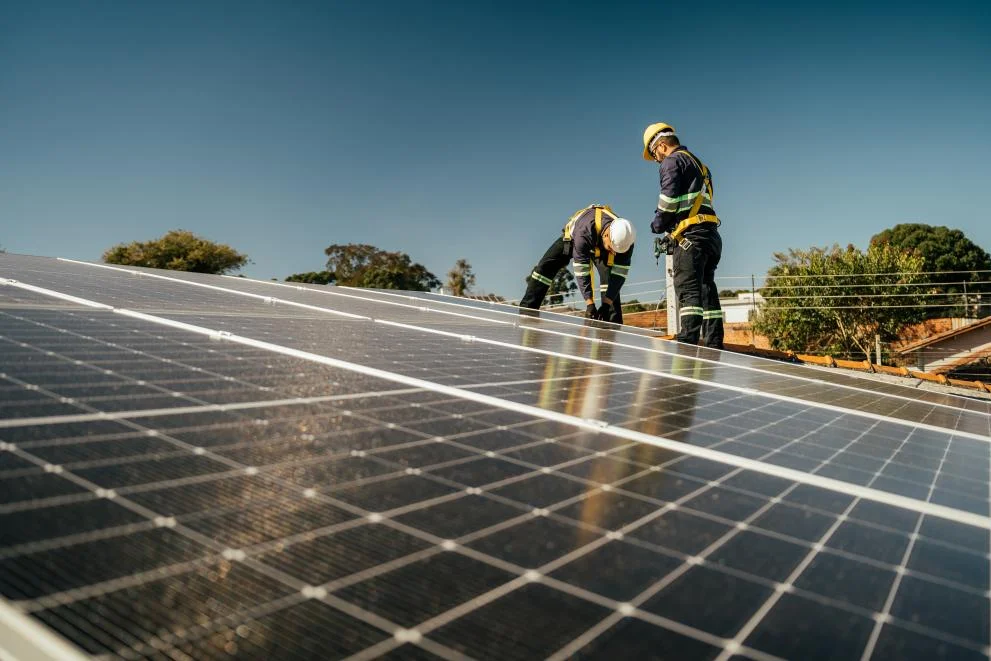


The renewable energy industry continues to create new opportunities for businesses and engineering professionals around the world.
From offshore and onshore wind to solar, Battery Energy Storage Systems and the electricity networks connecting them, an expanding pipeline of projects is creating demand for people with the expertise to turn investment into operational infrastructure.
For employers, this creates an important challenge.
Having the investment, technology and project pipeline in place is only part of successful delivery. Organisations also need access to skilled professionals across engineering, construction, commissioning and project management.
As competition for experienced people increases, understanding where the greatest skills requirements exist can help businesses build stronger workforce strategies.
Electrical and Power Systems Engineering
The transition towards greater electrification is making electrical engineering expertise increasingly important.
Renewable projects must be safely integrated into existing electricity networks while new transmission and distribution infrastructure is developed to accommodate additional generation.
This creates opportunities for professionals specialising in areas such as:
- Electrical Engineering.
- Power Systems Engineering.
- Grid Connection.
- Protection and Control.
- High-Voltage Engineering.
- Substation Engineering.
- Cable Engineering.
Professionals who understand both renewable generation and wider electricity networks can be particularly valuable as developers navigate increasingly complex grid requirements.
Civil and Structural Engineering
Every renewable energy project requires significant physical infrastructure.
Wind turbines need foundations and access infrastructure. Solar farms require site preparation and supporting structures. Battery storage developments require purpose-built facilities, while transmission projects depend on substations, towers, underground cables and associated civil works.
Civil and structural engineers therefore remain essential throughout renewable energy development.
Employers need professionals capable of considering technical performance alongside environmental conditions, construction requirements, safety and long-term asset resilience.
Project Management and Project Controls
Large renewable developments involve multiple contractors, suppliers, engineering disciplines and regulatory requirements.
Strong project management is essential for coordinating these different elements and keeping programmes moving.
Alongside project managers, demand exists for specialists across:
- Planning and Scheduling.
- Cost Control.
- Risk Management.
- Contract Management.
- Procurement.
- Commercial Management.
- Document Control.
Project controls professionals provide the visibility organisations need to understand performance, identify potential issues and make informed decisions throughout delivery.
Commissioning Expertise
The final stages of a renewable energy project can be some of the most technically demanding.
Commissioning professionals are responsible for helping ensure systems and equipment operate safely and perform as intended before an asset enters full operation.
This requires detailed technical knowledge, strong problem-solving skills and the ability to work across multiple engineering disciplines.
As more renewable energy assets reach construction and completion, experienced commissioning engineers and managers will remain an important part of the talent market.
Battery Storage Is Creating New Skills Requirements
Battery Energy Storage Systems are becoming an increasingly important part of modern energy infrastructure.
As deployment grows, employers need professionals who understand the interaction between battery technology, electrical systems, grid infrastructure, safety requirements and project delivery.
Relevant expertise can include:
- Battery Systems Engineering.
- Electrical Design.
- Grid Integration.
- Controls and Automation.
- Fire and Safety Engineering.
- Commissioning.
- Operations and Maintenance.
Because BESS sits at the intersection of several engineering disciplines, organisations may need to look beyond traditional recruitment pools to find the right combination of skills.
Offshore Wind Requires Specialist Expertise
Offshore wind projects bring together renewable energy, marine engineering and major infrastructure.
Delivering projects successfully can require professionals specialising in turbine foundations, subsea cables, offshore substations, installation, marine operations and commissioning.
The continued development of floating offshore wind could broaden these requirements further, creating opportunities for professionals with experience in areas such as mooring systems, dynamic cables, naval architecture and offshore engineering.
This is also an area where transferable skills from other offshore industries can be extremely valuable.
Transferable Skills Can Help Close Talent Gaps
Not every professional working in renewable energy needs to have spent their entire career in the sector.
Many of the technical skills required to deliver renewable projects already exist across adjacent industries.
Engineers and project professionals from conventional power, utilities, marine engineering, infrastructure, manufacturing and other major project environments may have highly relevant experience.
Recognising transferable skills can significantly increase the available talent pool while giving experienced professionals the opportunity to move into growing renewable energy markets.
For employers, focusing on capabilities rather than sector labels can be an important part of solving skills shortages.
International Recruitment Is Becoming More Important
Renewable energy is a global industry, and the workforce supporting it is increasingly international.
A specialist engineer who is difficult to source in one market may be available elsewhere.
International recruitment allows organisations to access broader talent pools and bring specialist experience from established renewable energy markets into emerging ones.
However, moving professionals between countries can introduce additional requirements around immigration, payroll, employment legislation, taxation and local compliance.
Combining recruitment with effective Global Mobility and Employer of Record solutions can help organisations access international expertise while reducing the administrative complexity associated with global hiring.
Employers Need to Think Beyond Individual Vacancies
One of the biggest changes in renewable energy recruitment is the need for longer-term workforce planning.
Recruiting reactively for individual positions may become increasingly difficult when multiple projects are competing for similar skills.
Instead, organisations can benefit from understanding their workforce requirements earlier in the project lifecycle.
This can include identifying future skills gaps, developing talent pipelines, considering international markets and determining which roles can be filled through permanent recruitment, contract professionals or project-specific workforce solutions.
A proactive approach gives businesses more options and can reduce recruitment pressure as projects move towards construction and commissioning.
Building the Renewable Energy Workforce of the Future
Renewable energy technology will continue to evolve, but people will remain central to delivering the transition.
The industry’s future workforce will need a combination of traditional engineering expertise, digital capability, commercial understanding and experience working across increasingly complex projects.
For employers, attracting those professionals will require more than simply advertising vacancies.
Understanding where talent is located, recognising transferable skills and building flexible international workforce strategies will become increasingly important as competition grows.
The organisations that plan for their future workforce alongside their future project pipeline will be better positioned to turn renewable energy ambitions into successful projects.
How Kintec Supports Renewable Energy Recruitment
Kintec works with organisations across the global renewable energy and power sectors, connecting businesses with specialist engineering, technical and project professionals.
Our recruitment expertise covers projects across wind, solar, Battery Energy Storage Systems, power infrastructure and other areas of the energy transition.
From individual specialist appointments to larger project teams, we help clients identify the skills they need and access talent across international markets.
Combined with our Global Mobility and Employer of Record services, Kintec can support businesses with the recruitment, mobilisation and compliant employment of professionals across multiple countries.
Whether you are planning your next renewable energy project or looking for your next opportunity within the sector, Kintec can help connect the right expertise with the projects shaping the future of energy.