What Does a Commissioning Engineer Actually Do?
23 Sept, 2026


Hydrogen is rapidly emerging as a key part of the global energy transition. While renewable ...

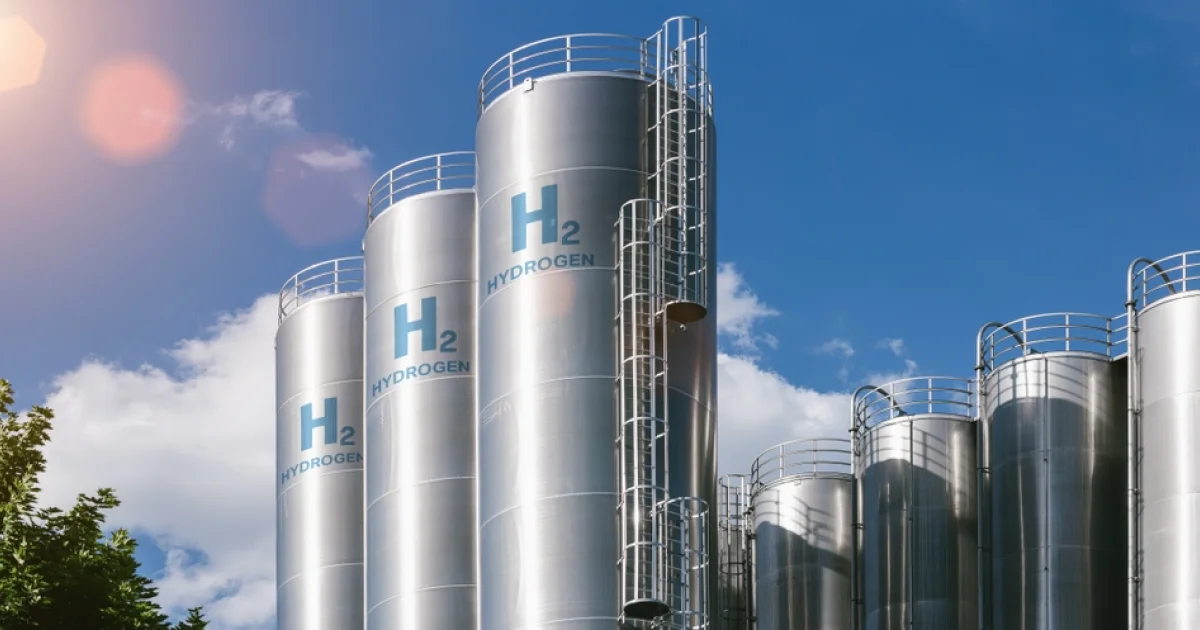
Hydrogen is rapidly emerging as a key part of the global energy transition. While renewable technologies such as wind and solar continue to expand, hydrogen has the potential to decarbonise sectors where electrification alone may not be practical, including heavy industry, manufacturing, shipping and long-distance transport.
As governments and businesses invest in cleaner energy solutions, significant funding is being directed towards hydrogen production, storage and distribution infrastructure. These developments are creating opportunities across engineering, construction and project delivery while supporting the transition to a more diverse and resilient energy system.
Hydrogen offers a flexible energy solution that can be produced using a variety of methods and applied across multiple industries.
Green hydrogen, produced using renewable electricity, is attracting particular attention because it has the potential to significantly reduce carbon emissions while supporting long-term energy security.
As investment increases, hydrogen is expected to complement renewable energy by providing an additional pathway towards lower-carbon industrial processes and energy systems.
Countries around the world are introducing hydrogen strategies as part of their long-term energy plans.
Public and private sector investment is supporting projects that span the entire hydrogen value chain, including:
As these projects move from planning into construction and operation, demand for specialist engineering expertise continues to grow.
Developing a hydrogen economy requires more than producing hydrogen itself.
Extensive infrastructure is needed to transport, store and distribute hydrogen safely and efficiently.
This includes new pipelines, storage facilities, processing plants, compression systems and connections to existing energy networks.
Designing and delivering this infrastructure requires collaboration across multiple engineering disciplines, with careful consideration given to safety, operational performance and long-term reliability.
Hydrogen projects rely on highly skilled professionals throughout every stage of development.
Some of the key roles include:
Many of these professionals bring transferable experience from industries such as oil and gas, chemicals, power generation and industrial manufacturing.
One of the strengths of the hydrogen sector is its ability to attract experienced professionals from adjacent industries.
Engineers with backgrounds in conventional energy, petrochemicals, offshore projects and process industries often possess the technical knowledge required to support hydrogen developments.
This allows organisations to access a broader talent pool while giving experienced professionals the opportunity to contribute to the future of clean energy.
As investment continues, transferable skills will remain an important part of workforce planning.
The development of hydrogen infrastructure requires close collaboration between governments, developers, engineering consultancies, contractors and technology providers.
Many projects involve international partnerships that combine specialist expertise from multiple countries.
As a result, organisations are increasingly relying on global recruitment and workforce mobility solutions to access the engineering talent required for large-scale developments.
This collaborative approach will continue to support innovation and accelerate project delivery.
Like any emerging industry, hydrogen faces several challenges.
Scaling production, expanding infrastructure and ensuring commercial viability all require continued investment and technological advancement.
At the same time, these challenges create significant opportunities for organisations capable of delivering innovative engineering solutions.
As technology continues to mature and demand increases, hydrogen is expected to become an increasingly important part of the global energy landscape.
The future of hydrogen infrastructure is closely linked to the wider transition towards cleaner, more sustainable energy systems.
Continued investment in production facilities, storage, transportation and industrial applications will create new opportunities across engineering, construction and operations.
For businesses, hydrogen represents an opportunity to diversify and contribute to one of the fastest-evolving areas of the energy sector.
For engineering professionals, it offers the chance to work on pioneering projects that will help shape the future of global energy.
Kintec partners with organisations delivering hydrogen projects around the world, providing specialist recruitment solutions for engineering, construction and technical professionals.
Our international network enables us to connect businesses with highly skilled talent across every phase of a project, from feasibility and design through to construction, commissioning and long-term operations.
Supported by our Global Mobility and Employer of Record services, we help organisations build compliant, high-performing teams capable of delivering complex hydrogen infrastructure projects with confidence.
Whether you are growing your workforce or looking to build your career within the hydrogen sector, Kintec has the expertise and global reach to support your success.