What Does a Commissioning Engineer Actually Do?
23 Sept, 2026


Major engineering projects are becoming larger, more complex and increasingly under pressure...

Major engineering projects are becoming larger, more complex and increasingly under pressure to be delivered efficiently.
One approach attracting growing attention is modular construction.
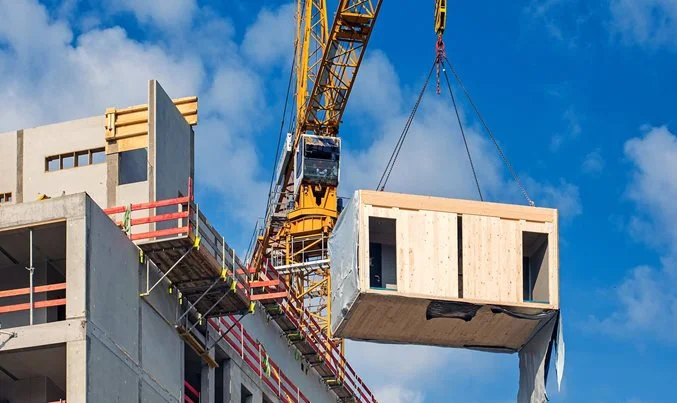
Instead of completing every stage of construction at the final project location, components or entire sections can be manufactured and assembled in controlled off-site environments before being transported to site.
From data centres and energy facilities to major industrial developments, modular construction is changing how organisations think about project delivery.
Modular construction moves parts of the traditional construction process away from the project site.
Components can be manufactured, assembled and tested in specialist facilities before being transported to their final location.
Depending on the project, this could range from individual mechanical or electrical assemblies to larger modules containing multiple integrated systems.
Once delivered, the modules are installed and connected as part of the wider development.
One of the main advantages of modular construction is the potential to complete different stages of a project simultaneously.
While site preparation and civil works take place at the final location, modules can be manufactured elsewhere.
This reduces the need for every activity to happen sequentially.
For industries where speed to operation is particularly important, such as data centres and energy infrastructure, reducing construction timelines can offer significant advantages.
Moving work into a controlled manufacturing environment can also improve consistency.
Teams can complete fabrication, assembly and certain testing activities without the changing conditions experienced on a construction site.
Standardised processes can make it easier to maintain quality across multiple components or even multiple projects.
For complex engineering systems, identifying potential issues before equipment reaches site can also reduce the amount of rework required during installation.
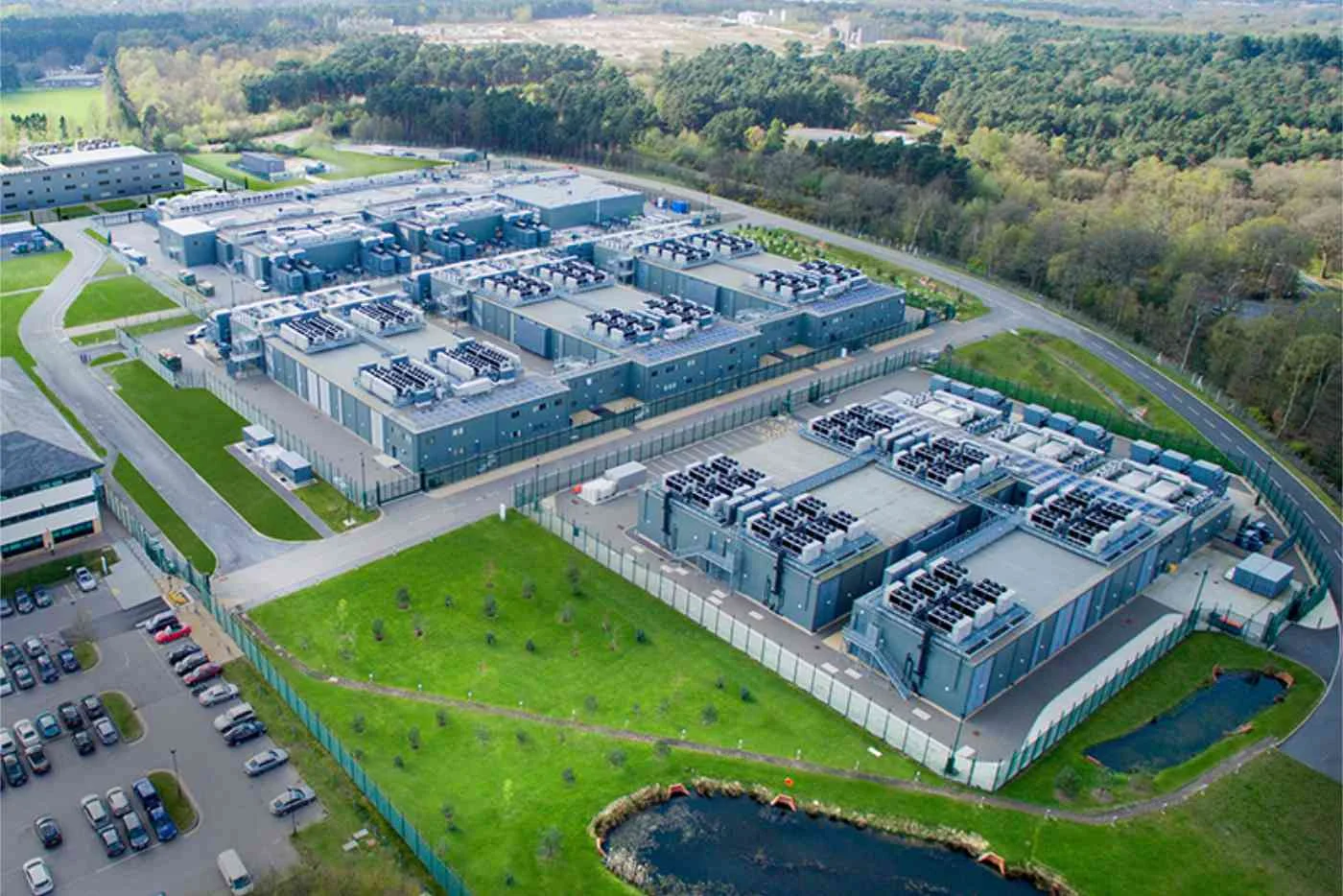
Data centre development is one area where modular approaches can be particularly valuable.
Facilities require large amounts of repeatable electrical and mechanical infrastructure, while operators often need to bring new computing capacity online quickly.
Electrical rooms, cooling systems and other infrastructure can potentially be assembled or integrated off-site before being delivered to the final facility.
Standardisation can also make it easier for organisations to replicate successful designs across multiple locations.
Modular construction also has applications across energy and industrial projects.
Electrical equipment, process systems and other technical infrastructure can be fabricated away from site before being transported for installation.
This can be particularly useful for projects in remote locations where access to large construction workforces may be limited.
Completing more work in specialist manufacturing facilities can reduce the amount of complex activity required at the final project location.
Modular construction introduces its own challenges.
Large modules must be transported safely from manufacturing facilities to project sites, sometimes across significant distances.
This requires careful consideration of roads, ports, lifting equipment and site access.
Engineering teams also need to consider transportation requirements during the design stage.
A module that performs perfectly once installed still needs to be capable of reaching its destination.
Digital technologies are helping make modular construction more practical.
Building Information Modelling and other digital design tools allow engineering teams to coordinate systems before manufacturing begins.
Detailed digital models can identify potential clashes between mechanical, electrical and structural components early in the process.
This level of coordination is particularly important when systems are being manufactured in different locations before coming together on site.
Modular construction brings engineering, construction and manufacturing closer together.
Projects can require expertise across:
Professionals who understand both engineering design and practical project delivery can be particularly valuable within modular environments.
Modular construction will not be the right solution for every project.
However, as organisations look for ways to improve efficiency, quality and project delivery, off-site manufacturing is likely to become an increasingly important option.
The approach also reflects a wider change within engineering and construction, where digital design, manufacturing and site delivery are becoming more closely integrated.
For data centres, energy and infrastructure projects, modular construction could help organisations deliver increasingly complex facilities in a more controlled and repeatable way.
Kintec works with organisations delivering complex engineering, data centre, energy and infrastructure projects across international markets.
Our specialist recruitment teams connect businesses with experienced engineering, construction, project management and technical professionals throughout the project lifecycle.
Combined with our Global Mobility and Employer of Record services, Kintec helps organisations access and mobilise specialist expertise wherever major projects are being delivered.
As new construction methods continue to evolve, having the right combination of engineering, manufacturing and project expertise will remain essential to successful delivery.