What Does a Commissioning Engineer Actually Do?
23 Sept, 2026

The construction industry has always evolved alongside advances in engineering, materials an...

The construction industry has always evolved alongside advances in engineering, materials and technology. Today, a new wave of digital innovation is transforming how projects are planned, delivered and managed.
From Building Information Modelling (BIM) and artificial intelligence to drones, digital twins and connected construction sites, technology is helping organisations improve efficiency, strengthen collaboration and make better decisions throughout the project lifecycle.
As investment continues across infrastructure, renewable energy, industrial facilities and data centres, digital transformation is becoming an essential part of successful project delivery.
Construction projects generate vast amounts of information, from design drawings and schedules to safety records and progress reports.
Digital technologies are making it easier for project teams to access and share this information in real time, improving communication between contractors, consultants, clients and suppliers.
Greater connectivity helps reduce delays, improve coordination and support faster decision-making throughout every stage of a project.
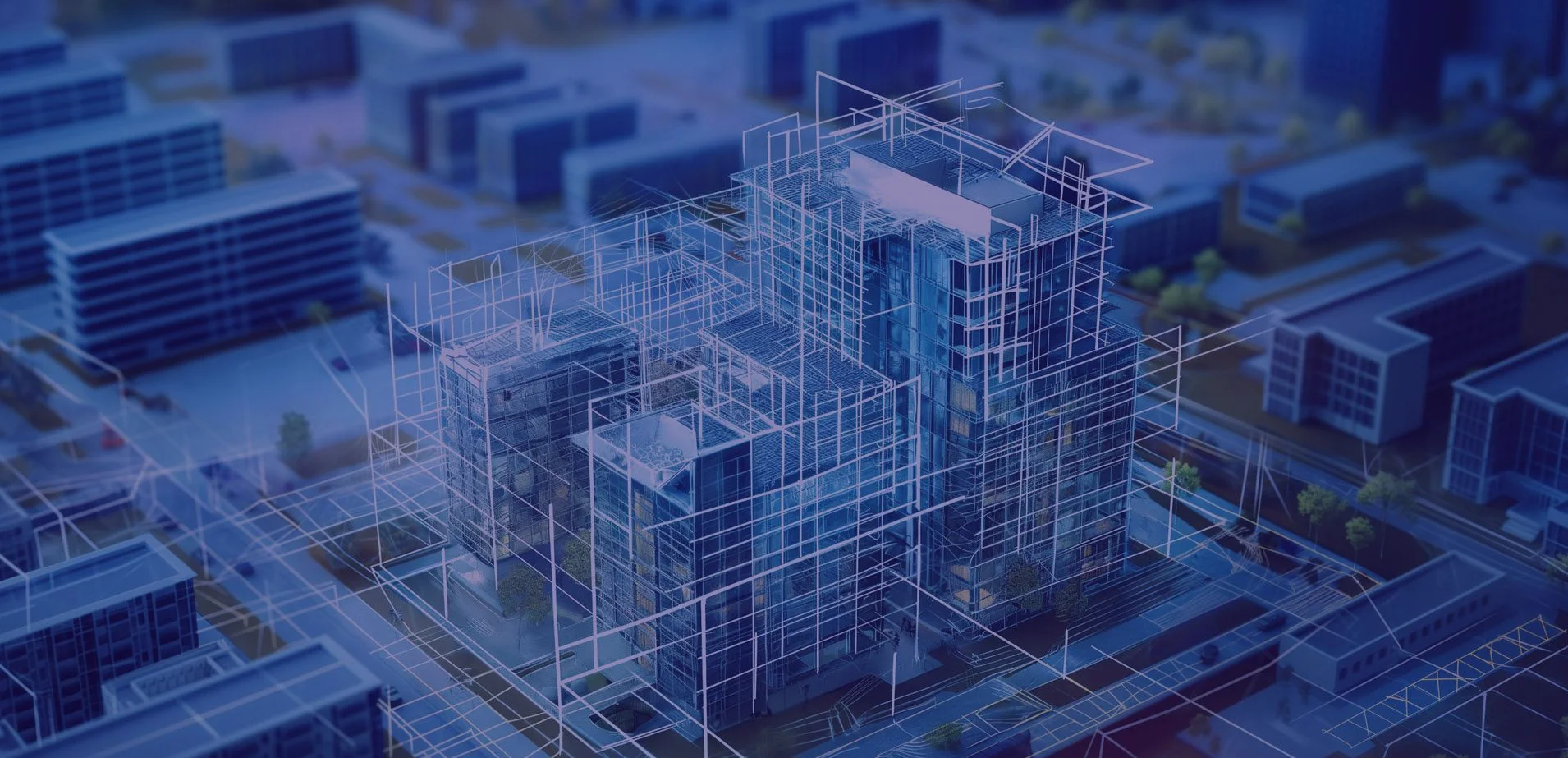
Building Information Modelling has become one of the most significant developments in modern construction.
BIM enables project teams to create detailed digital models that provide a complete view of a project’s design, systems and construction sequence before work begins on site.
This approach helps organisations to:
As BIM continues to develop, it is becoming a standard approach across many large-scale infrastructure and construction projects.
Artificial intelligence is increasingly being used to support construction planning and project management.
AI can analyse large volumes of project data, helping organisations identify potential risks, optimise schedules and improve resource allocation.
Some of the ways AI is supporting construction include:
While AI enhances efficiency, experienced engineering and construction professionals remain essential for interpreting information and making informed project decisions.
Drone technology has become an increasingly valuable tool across construction projects.
Drones enable rapid site surveys, progress monitoring and inspections while reducing the need for manual access to difficult or hazardous locations.
Combined with laser scanning and digital mapping technologies, drones provide accurate site information that supports planning, quality assurance and project reporting.
These technologies improve both efficiency and site safety.
Digital twins create virtual representations of physical assets, allowing organisations to monitor performance throughout the lifecycle of a building or infrastructure project.
By combining operational data with digital models, organisations can identify maintenance requirements, improve operational efficiency and make more informed long-term investment decisions.
Digital twins are becoming increasingly common across transport infrastructure, utilities, manufacturing facilities and data centres.
As digital technologies become more widely adopted, the skills required across the construction industry are also evolving.
Alongside traditional engineering and construction expertise, employers are increasingly seeking professionals with experience in:
Continuous learning and professional development will play an important role in helping the workforce adapt to these changing requirements.
Digital transformation is also helping improve health and safety across construction sites.
Connected devices, wearable technology, remote monitoring and digital reporting systems enable organisations to identify risks earlier and respond more quickly when issues arise.
Real-time data helps project teams make informed decisions while creating safer working environments for everyone involved.
Digital transformation is set to remain one of the defining trends within the construction industry.
As technologies continue to evolve, organisations that embrace innovation will be better positioned to improve productivity, reduce costs and deliver increasingly complex projects.
At the same time, skilled engineering and construction professionals will remain at the heart of successful project delivery, combining technical expertise with new digital capabilities.
Kintec works with organisations delivering construction, infrastructure, renewable energy and industrial projects across international markets.
Our specialist recruitment teams connect businesses with highly skilled engineering, construction and technical professionals who have the expertise to support both traditional project delivery and emerging digital technologies.
Combined with our Global Mobility and Employer of Record services, we help organisations build compliant, high-performing workforces capable of delivering the next generation of construction projects.
Whether you are recruiting specialist talent or looking to develop your career within the construction industry, Kintec has the expertise and global reach to help you succeed.