What Does a Commissioning Engineer Actually Do?
23 Sept, 2026


Renewable energy has become a cornerstone of the global transition towards cleaner, more sus...

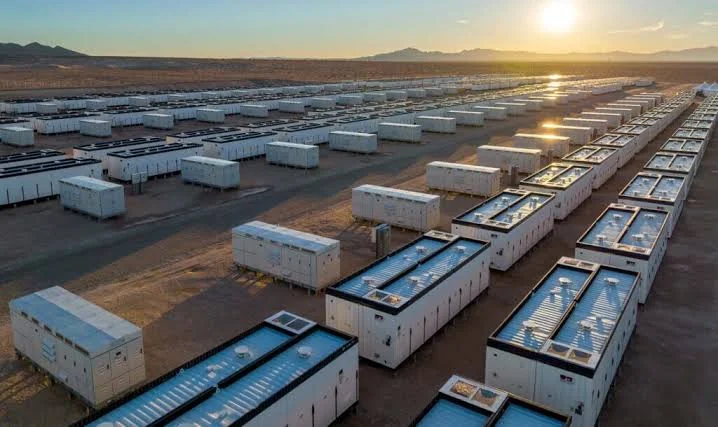
Renewable energy has become a cornerstone of the global transition towards cleaner, more sustainable power generation. As investment in wind, solar and other renewable technologies continues to grow, so does the need for reliable ways to store and manage the electricity they produce.
This is where Battery Energy Storage Systems (BESS) are making a significant impact.
Battery storage is helping to transform how renewable energy projects operate by improving grid stability, increasing flexibility and ensuring electricity can be supplied when demand is highest. As countries continue to modernise their energy infrastructure, battery storage is becoming an essential part of the future energy mix.
A Battery Energy Storage System stores electricity generated from renewable or conventional sources so that it can be released when it is needed.
Renewable energy generation depends on natural resources such as wind and sunlight, which means electricity production can vary throughout the day. Battery storage helps balance these fluctuations by storing excess energy during periods of high generation and releasing it during periods of increased demand.
This creates a more reliable and resilient electricity network while supporting the wider adoption of renewable energy technologies.
Battery storage is playing an increasingly important role in helping countries meet renewable energy targets.
As more wind farms and solar parks connect to national electricity networks, battery storage provides greater flexibility by allowing renewable electricity to be used more efficiently.
Key benefits include:
These advantages make battery storage an important investment alongside renewable generation.
Governments, utility providers and private investors are continuing to invest heavily in battery storage projects.
Large-scale Battery Energy Storage Systems are now being developed alongside renewable energy projects, while commercial and industrial organisations are also adopting battery technologies to improve energy efficiency and reduce operating costs.
As battery technology advances and installation costs continue to decrease, investment is expected to accelerate further over the coming years.
This growth is creating opportunities across engineering, construction, manufacturing and operations.
Battery Energy Storage projects require collaboration between multiple engineering disciplines from initial design through to commissioning and long-term maintenance.
Some of the key roles involved include:
As more projects move into development, competition for experienced engineering professionals continues to increase across international markets.
Electricity networks are becoming increasingly complex as renewable energy capacity continues to grow.
Battery storage is helping modernise these networks by providing greater flexibility and enabling operators to respond more effectively to changes in electricity demand.
Alongside investment in transmission infrastructure, substations and digital grid technologies, Battery Energy Storage Systems are helping create more resilient energy systems capable of supporting future demand.
These developments are creating new opportunities for engineers specialising in power systems, electrical infrastructure and grid integration.
Battery technology has developed rapidly over the past decade.
Advances in energy density, efficiency and battery management systems are improving performance while extending operational life.
Digital monitoring, automation and predictive maintenance are also helping operators maximise asset performance, improve reliability and reduce maintenance costs.
As innovation continues, Battery Energy Storage Systems are expected to become even more efficient and increasingly integrated into renewable energy projects worldwide.
Battery storage is expected to remain one of the fastest-growing areas of the renewable energy sector.
As countries continue to strengthen energy security and increase renewable electricity generation, demand for flexible energy storage solutions will continue to grow.
This will drive further investment in technology, infrastructure and the skilled professionals needed to deliver increasingly complex projects.
For engineering professionals, battery storage offers exciting opportunities to work within one of the most innovative and rapidly developing areas of the energy industry.
Kintec works with organisations delivering Battery Energy Storage projects around the world, providing specialist recruitment solutions across engineering, construction and technical disciplines.
Our global network enables us to connect businesses with highly skilled professionals throughout every stage of a project, from planning and design through to commissioning and operations.
Combined with our Global Mobility and Employer of Record services, we help organisations build compliant, high-performing workforces capable of supporting the next generation of renewable energy infrastructure.
Whether you are recruiting specialist talent or exploring new opportunities within Battery Energy Storage, Kintec has the expertise and international reach to help you achieve your goals.