What Does a Commissioning Engineer Actually Do?
23 Sept, 2026


The global engineering landscape is changing rapidly. As governments and businesses invest i...

The global engineering landscape is changing rapidly. As governments and businesses invest in cleaner energy, digital infrastructure and major industrial developments, the demand for skilled engineering professionals continues to evolve.
While traditional sectors remain important, emerging industries are creating new opportunities for engineers with the technical expertise to support complex, large-scale projects.
From offshore wind and hydrogen to battery energy storage and data centres, the future of engineering is being shaped by innovation, sustainability and technological advancement.
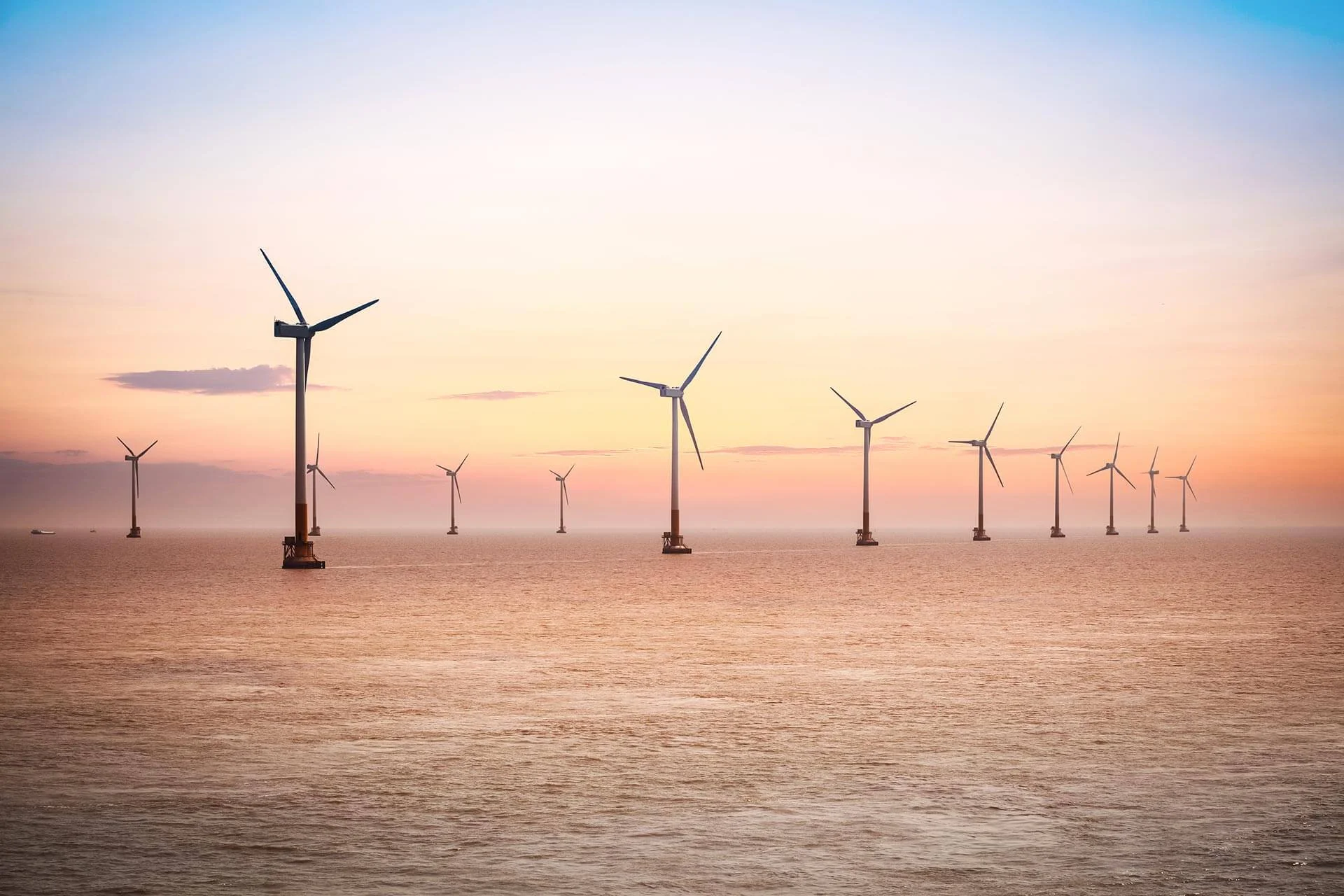
Offshore wind has become one of the fastest-growing renewable energy sectors worldwide.
Countries across Europe, Asia and North America continue to invest heavily in offshore developments to increase renewable electricity generation and improve energy security.
These projects require expertise throughout every stage of development, including design, fabrication, installation, commissioning and ongoing operations.
Demand remains particularly strong for:
As offshore projects become larger and move further from shore, specialist engineering skills will remain in high demand.
Hydrogen is expected to play an increasingly important role in the transition to lower-carbon energy systems.
Many countries are investing in hydrogen production, storage and distribution infrastructure as part of their long-term energy strategies.
Although the sector is still developing, demand is growing for professionals with experience in:
Many of these skills are transferable from industries such as oil and gas, chemicals and power generation, allowing experienced professionals to transition into the hydrogen sector.
As renewable energy capacity continues to increase, Battery Energy Storage Systems are becoming essential for balancing electricity supply and demand.
Energy storage projects require multidisciplinary engineering teams capable of delivering technically complex facilities safely and efficiently.
Professionals with experience in grid infrastructure, substations, power systems and electrical engineering are particularly well positioned to support this rapidly growing market.
With investment expected to continue over the coming years, battery storage represents one of the most promising career areas within the energy sector.
Artificial intelligence, cloud computing and digital transformation are fuelling unprecedented investment in data centre infrastructure.
Modern facilities require highly skilled engineering and construction professionals to design, build and maintain mission-critical environments.
Demand continues to grow for specialists including:
Many professionals are moving between data centres and other sectors such as power generation and infrastructure, demonstrating how transferable engineering expertise has become.
Governments continue to prioritise infrastructure investment to support economic growth, improve transport networks and modernise essential public services.
Major developments across utilities, rail, highways, airports and digital infrastructure require experienced engineering professionals across a broad range of disciplines.
As multiple projects progress simultaneously, competition for skilled talent is expected to remain strong.
Organisations that invest in long-term workforce planning will be better positioned to meet future demand.
One of the defining characteristics of the engineering profession is the ability to transfer knowledge between industries.
Professionals with experience in oil and gas, marine engineering, utilities, manufacturing or conventional power generation often possess the technical expertise needed to support emerging sectors.
For employers, recognising transferable skills can significantly expand the available talent pool.
For engineers, it creates opportunities to develop new expertise while contributing to industries shaping the future of global infrastructure.
As engineering projects become increasingly global, professionals have more opportunities than ever to build international careers.
Many organisations are recruiting across multiple countries to access specialist expertise, creating demand for engineers who are willing to work on projects around the world.
Global Mobility solutions and Employer of Record services are helping businesses employ and mobilise international workforces more efficiently, making cross-border recruitment increasingly accessible for both employers and candidates.
The industries shaping tomorrow’s economy all have one thing in common. They depend on skilled engineering professionals.
Whether supporting renewable energy, digital infrastructure, advanced manufacturing or major construction programmes, engineers will continue to play a central role in delivering the technologies and infrastructure that underpin future growth.
For organisations, attracting and retaining the right people will remain one of the biggest competitive advantages.
For engineering professionals, the future offers more opportunities than ever to work on innovative projects that make a lasting impact.
Kintec works with organisations across renewable energy, offshore wind, hydrogen, battery energy storage, data centres, infrastructure and industrial sectors, connecting them with highly skilled engineering and technical professionals worldwide.
Through our specialist recruitment expertise, Global Mobility solutions and Employer of Record services, we help businesses build the workforces needed to deliver complex international projects.
Whether you are looking to grow your engineering team or take the next step in your career, Kintec has the industry knowledge, global reach and specialist expertise to help you succeed.