What Does a Commissioning Engineer Actually Do?
23 Sept, 2026


Infrastructure is evolving faster than ever before. Population growth, urbanisation, digital...

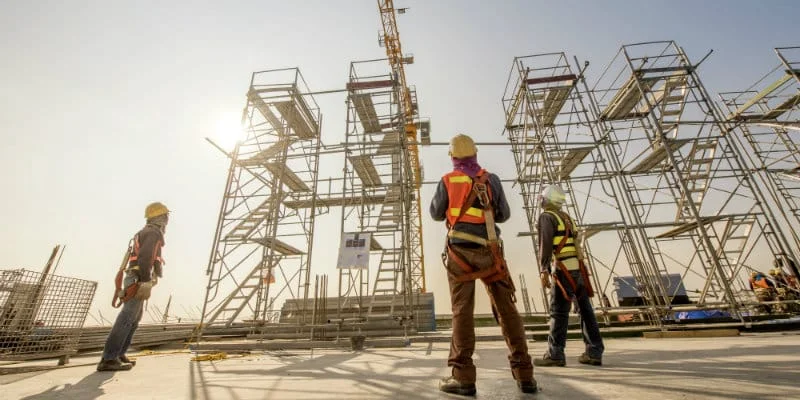
Infrastructure is evolving faster than ever before. Population growth, urbanisation, digital transformation and the transition to cleaner energy are changing how infrastructure is planned, designed and delivered across the world.
Governments and private investors continue to commit significant funding to projects that improve transport, utilities, energy systems and digital connectivity. At the same time, advances in technology and changing environmental priorities are reshaping the industry’s future.
Understanding these trends is essential for organisations looking to remain competitive and deliver successful projects over the coming decade.
Sustainability is no longer an optional consideration. It has become a central part of infrastructure planning.
Developers are increasingly prioritising low-carbon materials, energy-efficient designs and construction methods that minimise environmental impact. Alongside this, infrastructure projects are being designed with greater resilience to support changing climate conditions and long-term operational performance.
As sustainability requirements continue to evolve, organisations are seeking engineers and technical specialists with experience in delivering environmentally responsible projects.
Digital innovation is changing every stage of the infrastructure lifecycle.
Technologies such as Building Information Modelling (BIM), digital twins, artificial intelligence and real-time data analytics are helping project teams improve planning, collaboration and decision-making.
Digital tools are enabling organisations to identify risks earlier, improve productivity and optimise asset performance throughout the life of an infrastructure project.
As technology adoption increases, demand is growing for professionals with expertise in both engineering and digital systems.
The global transition towards cleaner energy is driving significant investment in supporting infrastructure.
Alongside renewable energy projects, countries are investing in:
These projects are essential for supporting increasing electricity demand while improving energy security and network resilience.
Engineering expertise across power systems, civil infrastructure and project delivery will remain in high demand as investment continues.
The infrastructure sector continues to experience strong demand for skilled engineering and technical professionals.
As multiple projects progress simultaneously across renewable energy, transportation, utilities and digital infrastructure, organisations are competing for the same talent.
Forward-thinking businesses are placing greater emphasis on long-term workforce planning by:
Proactive workforce planning is helping organisations reduce project delays while improving their ability to respond to future opportunities.
Infrastructure projects are becoming increasingly international.
Engineering consultancies, contractors, technology providers and project owners frequently collaborate across multiple countries to deliver large-scale developments.
This global approach enables organisations to access specialist expertise while sharing knowledge and innovation across markets.
As international collaboration continues to grow, Global Mobility and Employer of Record services are becoming increasingly important for supporting compliant workforce deployment across different regions.
Every successful infrastructure project depends on the expertise of skilled professionals.
From initial planning and design through to construction, commissioning and long-term operations, engineering teams play a vital role in delivering safe, efficient and sustainable infrastructure.
Some of the most in-demand disciplines include:
As infrastructure investment continues, competition for experienced professionals is expected to remain strong across global markets.
The infrastructure sector is entering an exciting period of transformation.
Sustainability, digital innovation and the energy transition are creating new opportunities while reshaping how projects are delivered around the world.
Organisations that embrace new technologies, invest in workforce planning and build access to specialist talent will be well positioned to deliver the infrastructure that supports future economic growth.
Kintec partners with organisations delivering major infrastructure projects across the energy, utilities, transportation, industrial and digital sectors.
Our specialist recruitment teams connect businesses with highly skilled engineering, construction and technical professionals across every stage of the project lifecycle.
Supported by our Global Mobility and Employer of Record services, we help organisations build compliant, high-performing workforces capable of delivering complex infrastructure projects anywhere in the world.
Whether you are expanding your project team or looking for your next opportunity within the infrastructure sector, Kintec has the expertise and international reach to help you move forward with confidence.