What Does a Commissioning Engineer Actually Do?
23 Sept, 2026


Wind and solar often dominate conversations around renewable energy, but another source of c...

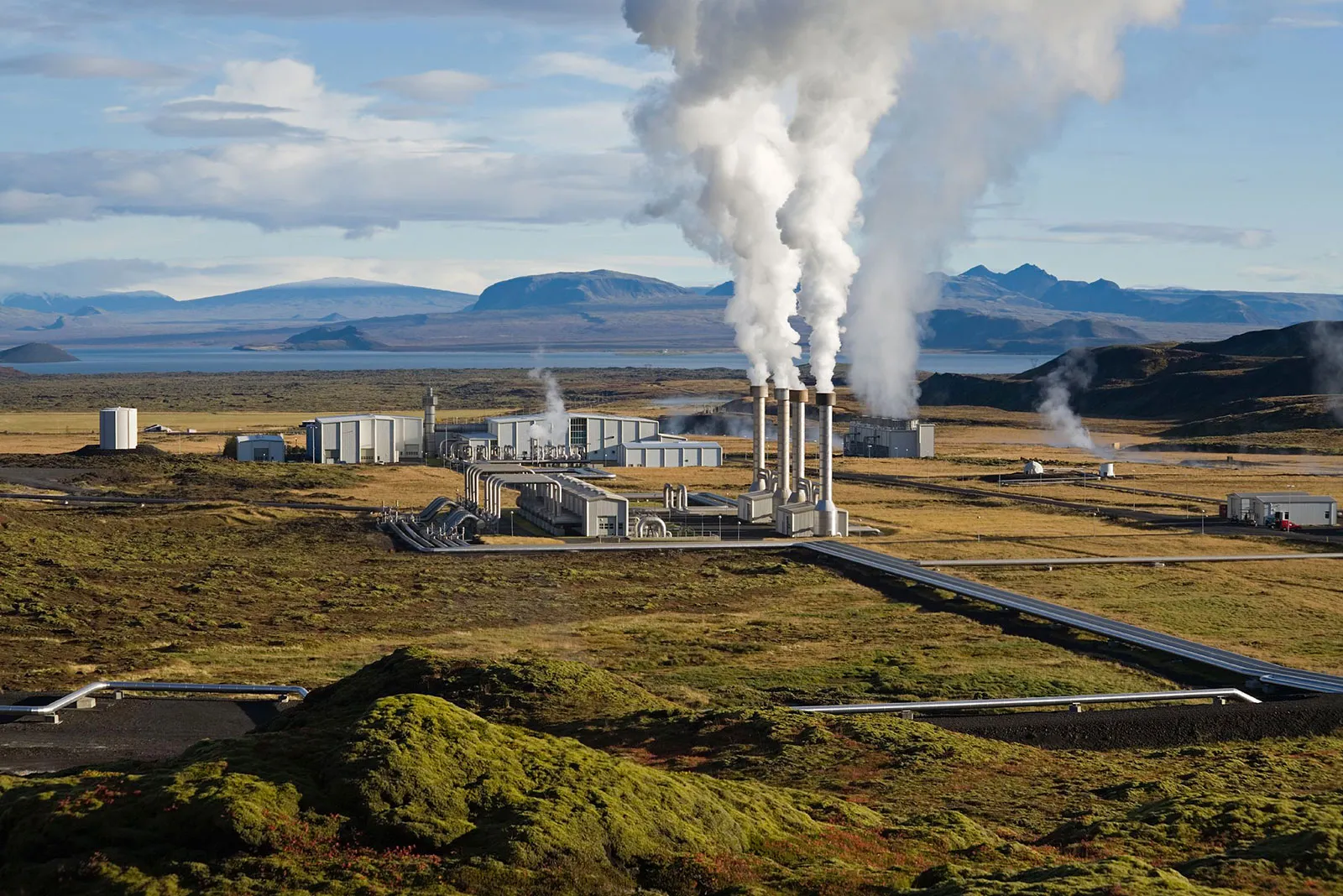
Wind and solar often dominate conversations around renewable energy, but another source of clean energy lies beneath our feet.
Geothermal energy uses heat from within the Earth to generate electricity or provide heating. It has been used successfully in certain markets for decades, but advances in technology are creating renewed interest in its potential.
As countries look for reliable, lower-carbon sources of energy, could geothermal play a bigger role in the future energy mix?
Geothermal energy uses naturally occurring heat stored beneath the Earth’s surface.
In suitable locations, wells can be drilled underground to access hot water or steam. This energy can then be used directly for heating or to generate electricity.
Unlike wind and solar, geothermal energy is not dependent on weather conditions.
Where resources are suitable, geothermal facilities can provide consistent energy throughout the day, making the technology an interesting complement to variable renewable generation.
Geothermal energy is not limited to power stations.
Heat from underground can also be used directly for buildings, industrial processes and district heating networks.
This creates opportunities for geothermal technologies to contribute to the decarbonisation of heat, an area that can be particularly challenging to address.
Different geothermal technologies can operate at different temperatures and depths, allowing the resource to potentially serve a variety of applications.
Historically, geothermal development has been concentrated in regions where suitable geological conditions make underground heat relatively accessible.
New technologies could expand those possibilities.
Advances in drilling, subsurface imaging and reservoir engineering are helping developers understand and access resources more effectively.
Enhanced geothermal systems are also being explored as a way of developing geothermal energy in locations without the naturally occurring reservoirs required by more conventional projects.
If these technologies continue to develop, geothermal energy could become viable across a wider range of markets.
One of the interesting opportunities within geothermal energy is the potential to use expertise developed in other industries.
Geothermal projects require knowledge of drilling, geology, subsurface conditions, wells and major energy infrastructure.
Professionals with experience in drilling and subsurface engineering may therefore have skills that transfer into geothermal development.
Projects can require expertise across:
This ability to draw on established engineering expertise could help support the growth of the sector.
A diverse energy system can be more resilient than one dependent on a small number of technologies.
Geothermal energy has the advantage of providing consistent generation where suitable resources are available.
Combined with wind, solar, energy storage and stronger electricity networks, geothermal could contribute to a more varied renewable energy mix.
For some countries, developing domestic geothermal resources could also help reduce reliance on imported energy.
Like every energy technology, geothermal development has challenges.
Projects can involve significant upfront exploration and drilling costs, while developers need a strong understanding of underground conditions before investment decisions can be made.
Not every location will have suitable resources.
Planning, environmental considerations, infrastructure requirements and project economics can also influence whether a development progresses.
However, continued technological development could help reduce some of these barriers over time.
Geothermal may currently represent a smaller part of the renewable energy landscape than wind or solar, but its characteristics make it an interesting area of future development.
Reliable generation, direct heating applications and advances in drilling technology could all increase its potential.
The sector also demonstrates how the energy transition can create new applications for existing engineering expertise.
As investment moves into a broader range of clean energy technologies, professionals capable of transferring their skills between industries will become increasingly valuable.
Kintec works with organisations delivering renewable energy, power and infrastructure projects across international markets.
Our specialist recruitment teams connect businesses with experienced engineering, construction, project management and technical professionals across every stage of project delivery.
Combined with our Global Mobility and Employer of Record services, we help organisations access and mobilise specialist expertise across international markets.
As the energy transition expands into new technologies, Kintec is helping connect experienced professionals with the projects shaping the future of global energy.