What Does a Commissioning Engineer Actually Do?
23 Sept, 2026

Data centres are becoming an increasingly important part of global infrastructure.Cloud comp...

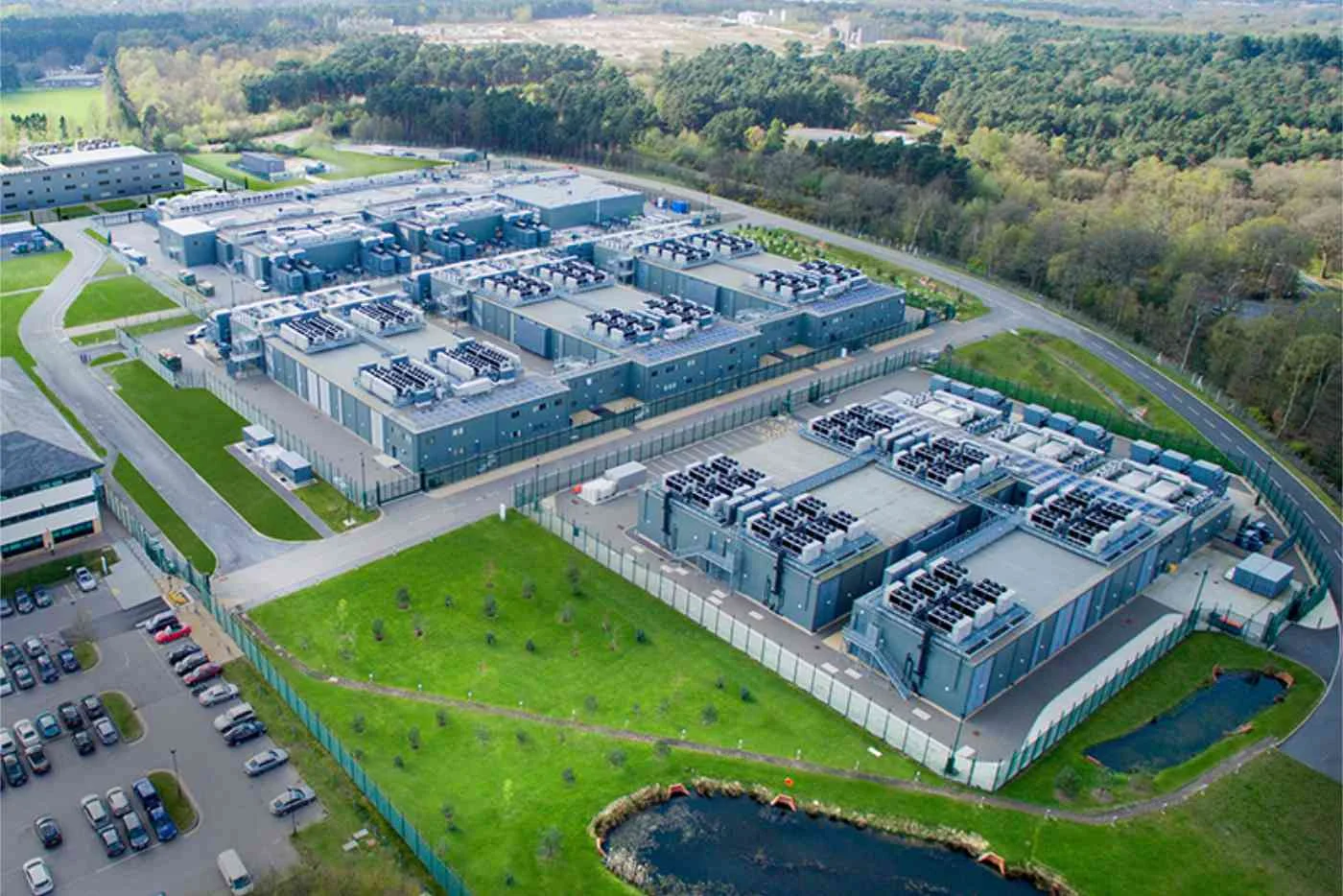
Data centres are becoming an increasingly important part of global infrastructure.
Cloud computing, streaming, digital services and artificial intelligence all rely on physical facilities capable of processing and storing enormous amounts of information.
As demand for digital infrastructure grows, so does the conversation around its environmental impact.
Data centres require significant amounts of electricity and cooling, making efficiency an important consideration for developers and operators. The challenge is clear: how can the industry continue expanding while building facilities that use energy and resources more effectively?
Improving sustainability begins long before a data centre becomes operational.
The design of the building, electrical systems, cooling infrastructure and IT environment can all influence how efficiently a facility operates.
Engineering teams can consider energy performance throughout the entire project lifecycle, from site selection and equipment specification to construction and commissioning.
Small improvements across multiple systems can contribute to significant efficiencies over the operational life of a facility.
Electricity is one of the biggest considerations for data centre operators.
As the sector expands, organisations are increasingly exploring how renewable energy can support growing power requirements.
Wind and solar generation can contribute to the wider electricity mix supplying data centres, while Battery Energy Storage Systems can provide additional flexibility.
The challenge is ensuring reliable electricity remains available around the clock.
This means renewable generation must be considered alongside grid infrastructure, storage and wider energy system resilience.
Servers generate heat, making cooling essential to data centre operations.
Traditional cooling systems can account for a significant proportion of facility energy use, creating a major opportunity for efficiency improvements.
As computing equipment becomes increasingly powerful, new cooling approaches are being developed.
Liquid cooling is one technology receiving growing attention, particularly for high-density computing environments.
Rather than relying entirely on cooling the surrounding air, liquid-based systems can remove heat closer to the equipment generating it.
For mechanical engineers, this creates new design considerations as data centres evolve.
The heat generated by data centres does not necessarily need to go to waste.
In suitable locations, recovered heat could potentially be supplied to nearby buildings or district heating networks.
This creates an interesting connection between digital infrastructure and wider urban energy systems.
Successful heat reuse depends on several factors, including location, infrastructure and the availability of nearby demand.
However, as cities look for ways to use energy more efficiently, data centre waste heat could become a valuable resource rather than simply a by-product.
Some data centre cooling systems use water, making water availability another important sustainability consideration.
In regions experiencing water stress, developers may need to carefully assess whether particular cooling technologies are appropriate.
Alternative cooling methods, water recycling and more efficient system design can help reduce consumption.
Site selection is therefore increasingly about more than access to land and connectivity. Power availability, climate, water resources and surrounding infrastructure can all influence long-term sustainability.
Data centres themselves can use advanced technology to improve how they operate.
Sensors, automation and artificial intelligence can monitor equipment and identify opportunities to optimise energy use.
Predictive maintenance can also help operators identify potential problems before equipment fails, improving reliability while reducing unnecessary maintenance.
This creates facilities that are not only more connected, but also capable of responding dynamically to changing conditions.
Building more sustainable data centres requires collaboration across multiple disciplines.
Key expertise can include:
Engineers must balance sustainability objectives with reliability, performance, cost and the demanding requirements of mission-critical infrastructure.
The demand for digital infrastructure is unlikely to disappear.
The opportunity is therefore to make future facilities more efficient as the industry expands.
Renewable energy, advanced cooling, waste heat recovery, smarter controls and careful site selection can all contribute to reducing resource consumption.
There is unlikely to be one solution that works for every facility.
Instead, sustainable data centre development will require a combination of technologies and engineering approaches suited to each location and project.
Kintec works with organisations delivering data centre, power and complex infrastructure projects across international markets.
Our specialist recruitment teams connect businesses with experienced electrical, mechanical, MEP, construction, project management and commissioning professionals throughout the project lifecycle.
Combined with our Global Mobility and Employer of Record services, Kintec helps organisations access and mobilise specialist expertise across international markets.
As the data centre industry continues to expand, skilled engineering professionals will play an essential role in building infrastructure that is both reliable and ready for the future.